

What is Handstand?
English Name: Handstand
Sanskrit Name: Adho Mukha Vrksasana (pronounced AH-doh MOO-kah vrik-SHAHS-uh-nuh)
Category: Inversion, Strength, Balance, Intermediate to Advanced
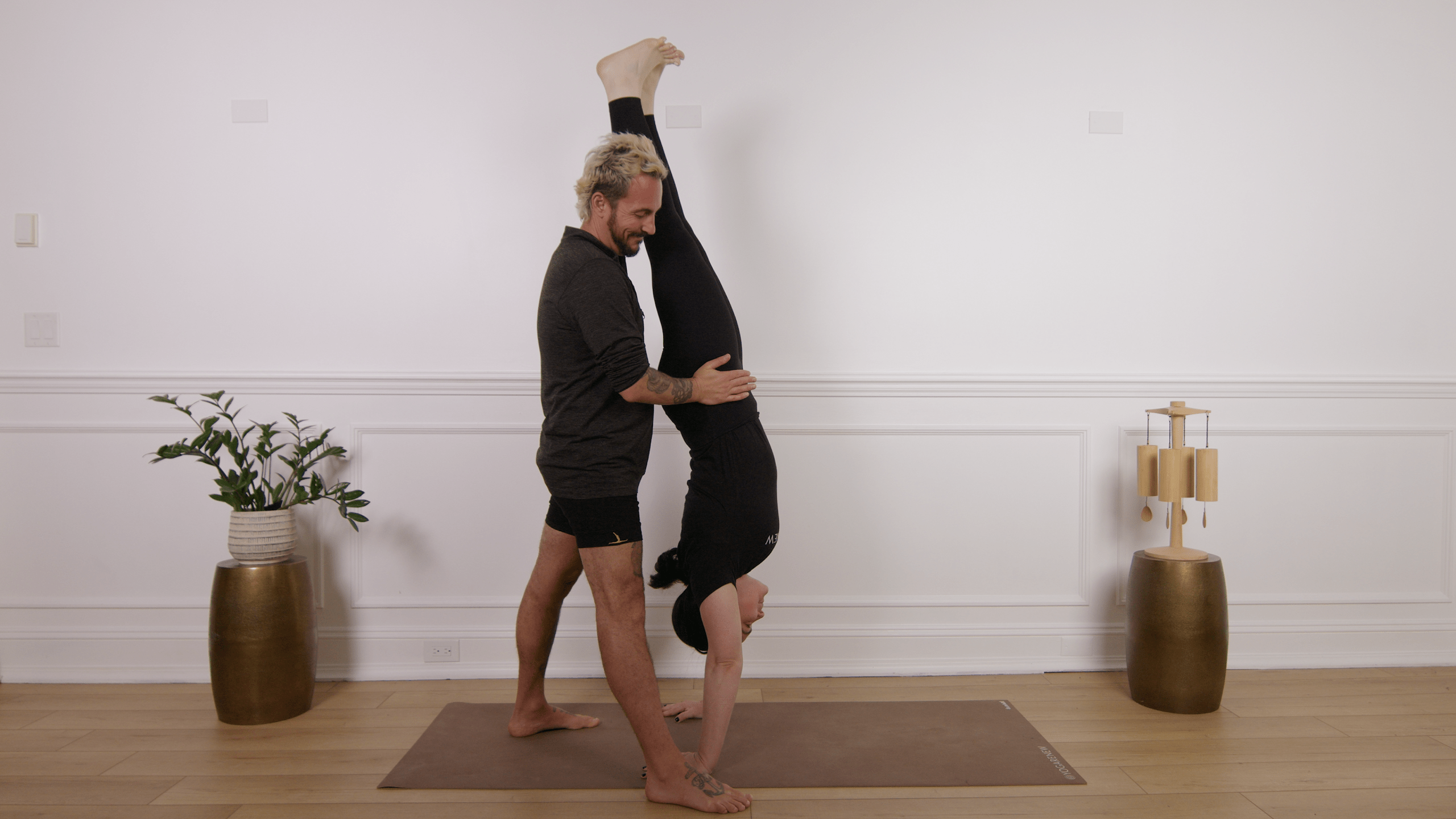
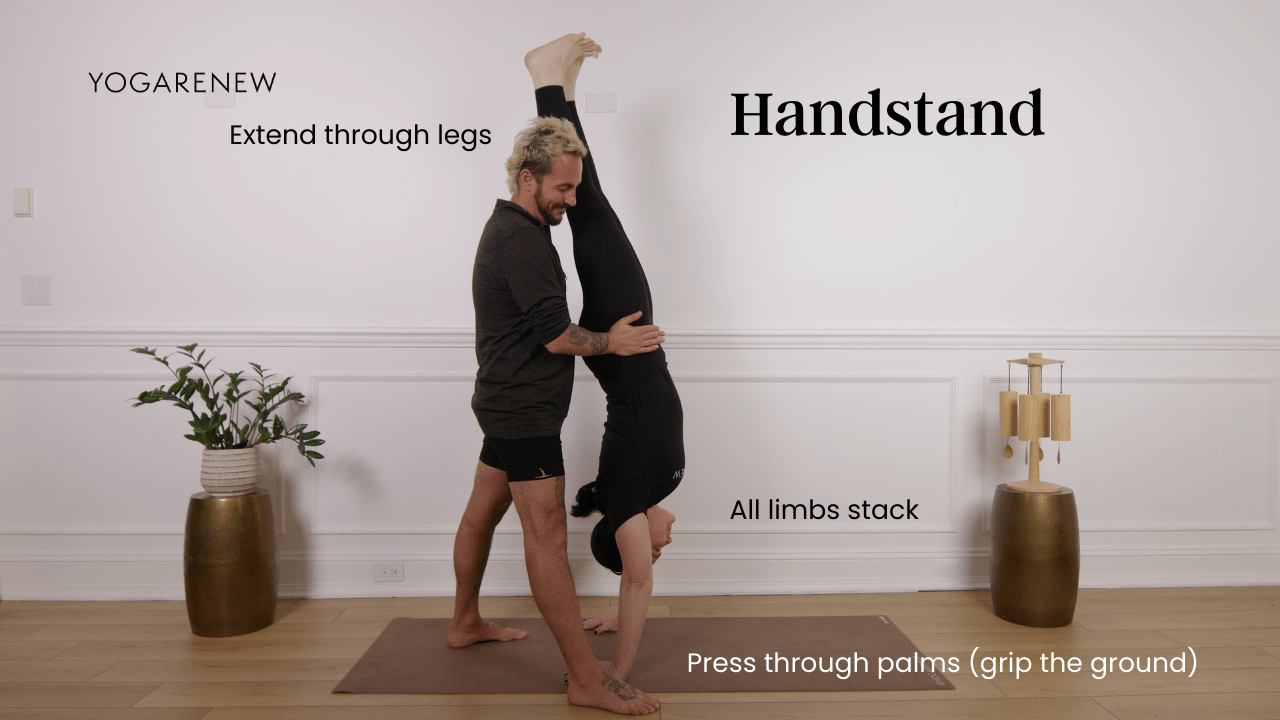
English Name: Handstand
Sanskrit Name: Adho Mukha Vrksasana (pronounced AH-doh MOO-kah vrik-SHAHS-uh-nuh)
Category: Inversion, Strength, Balance, Intermediate to Advanced
Adho Mukha Vrksasana, or Handstand, is a powerful and exhilarating inversion that challenges both body and mind. More than simply balancing on your hands, Handstand is a full-body experience that builds upper-body and core strength while cultivating focus, confidence, and steady breath awareness.
While it can look intimidating, Handstand becomes more accessible through mindful progression, proper alignment, and consistent practice. With patience and support, this empowering posture invites you to build strength, overcome fear, and discover a greater sense of balance—both on and off the mat.
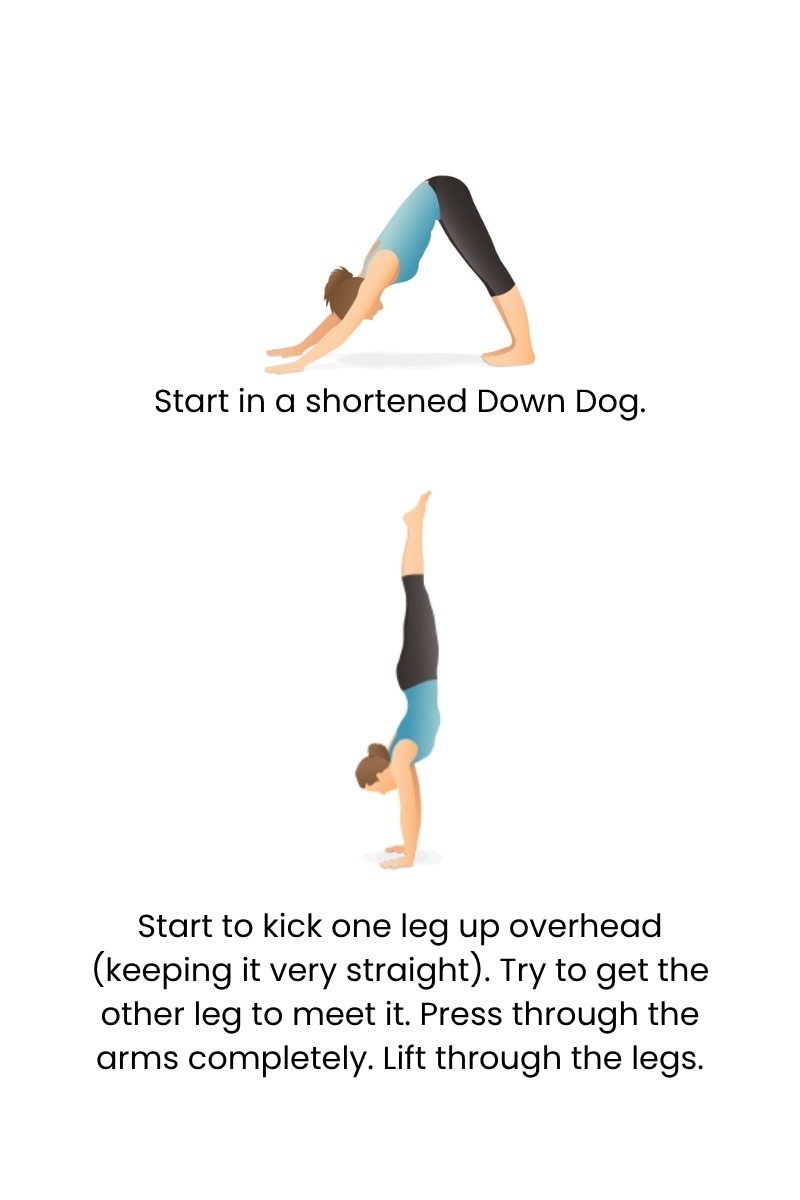
Neck or Cervical Spine Injuries: Avoid putting pressure on the head and neck
Glaucoma or Eye Conditions: Increased pressure may be harmful
High or Low Blood Pressure: May exacerbate symptoms—consult your doctor
Heart Conditions: Inversions may be contraindicated
Pregnancy: Only practice under guidance and if previously established in your practice
Practicing Handstand (Adho Mukha Vrksasana) develops full-body strength, balance, coordination, body awareness, and mental focus. As an inversion, Handstand challenges the shoulders, arms, wrists, and core while encouraging concentration and controlled breathing. Regular, mindful practice can also build confidence, resilience, and a greater sense of body control. For yoga practitioners, Handstand offers an opportunity to explore balance, overcome fear, and develop strength through progressive, intentional practice. With proper alignment, preparation, and modifications, Handstand can be a rewarding addition to a well-rounded yoga practice.
Not necessarily—but proper preparation and guidance are essential.
Only if done without preparation or stretching of the wrists. Use extending through your legs for more support.
Given there are no medical issues from your doctor or other healthcare provider, absolutely. The more you practice, the more confidence and stability you gain, making it easier to float up into the pose.
Explore classes & pose tutorials for any style, format, duration or experience level with a free account in the YogaRenew app. Or subscribe and gain access to workshops, live classes and more.





© 2026 YogaRenew. All Rights Reserved. Terms & Conditions | Privacy Policy | Do Not Sell or Share My Personal Information