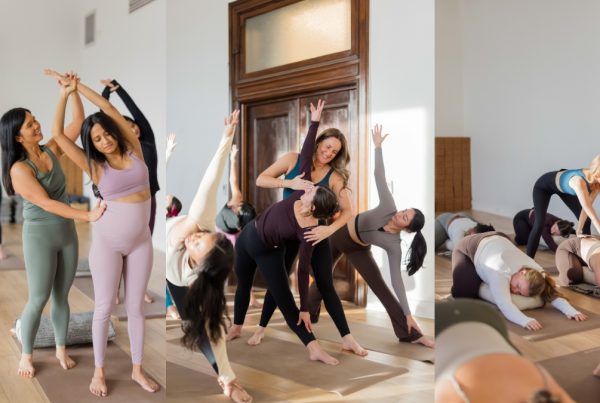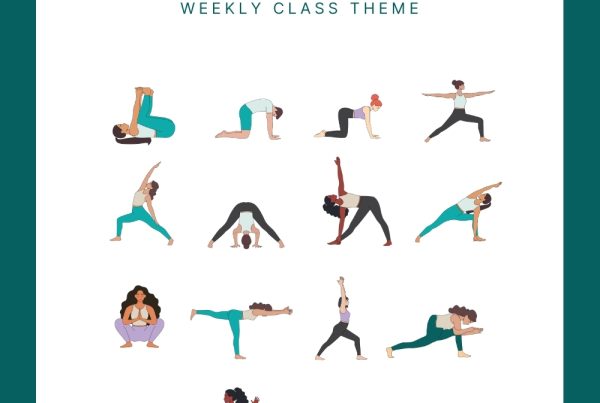
For the past three years, yoga has become a deeply meaningful part of my life. I first started practicing because I wanted to become more flexible and get a “good stretch,” but over time I fell in love with the deeper rooted meanings behind the practice. Through yoga philosophy, breathwork, and community, I started to realize that yoga is something far beyond just movement.
As I dove deeper into my yoga journey, I also found myself reconnecting with my Filipino roots and recognizing so many similarities between Filipino culture and yogic philosophy.
As a first generation immigrant, I felt pressure to assimilate, almost as if I had to abandon parts of my culture to fit in. But as I grew older, I began to reconnect with and appreciate my heritage more deeply. With the help of yoga, I found an even greater appreciation and love for my culture and started seeing how closely many yogic values aligned with the values I was raised with.
Existing in community
One of the biggest ways yoga honors my heritage is through the importance of community. Family and togetherness are deeply rooted in Filipino culture. Growing up, I was always taught that we care for one another, look out for one another, and make space for others at the table. My mom grew up in a home with over ten siblings, and many of them still live together today along with their own children. There is such a strong sense of community in Filipino culture that I’ve always admired.
This spirit of community or kapwa, is reflected in the Filipino value of bayanihan, the idea of collective care and helping one another without expecting anything in return. Neighbors physically picking up an entire home to help neighbors, sharing food so no one goes hungry even if one doesn’t have enough, or always making room for one more person, there is an understanding that no one should be left behind.
I’ve found that same feeling within yoga spaces. In my practice, I’ve seen people of different backgrounds, ages, and life experiences come together simply because they share a love for yoga and a desire for connection. Yoga has reminded me that healing and growth are not meant to happen alone and that we are not meant to go through life alone. I feel incredibly grateful to have found that sense of belonging within my YogaRenew community.
Yogic philosophy also emphasizes the idea of oneness or unity, a quality seen in Filipino culture. The Philippines is made up of many islands, languages, and regional cultures, all shaped by different histories and traditions, yet we are all united by a shared pride in being Filipino. Yoga communities are also made up of people from different backgrounds and experiences, yet the practice creates space for everyone to come together with compassion, understanding, and care for one another.
My yoga practice honors my Filipino heritage because it continually reminds me of the values I was raised with: community, connection, generosity, and caring for others. Yoga has helped me recognize that I’ve carried these values with me on and off that mat all along.
Debt of gratitude & Seva

There is a Filipino trait called utang na loob, which translates to “inner debt” or “debt of gratitude.” It is a uniquely Filipino value rooted in gratitude, loyalty, and honoring the people who have helped shape and support us. It’s more than just returning a favor while not asking for anything in return. It’s about showing gratitude and appreciation for the kindness others have shown you.
Growing up, I saw this often within Filipino culture. There is no shortage of people helping people, communities gathering, and supporting one another. This bond reminds us that we are never truly alone and that there will always be people there to support us.
But utang na loob can also become complicated. What is meant to be gratitude and appreciation can sometimes turn into pressure, obligation, or guilt. It can make people feel like they constantly owe others and sacrifice too much of themselves at the expense of their own well-being.
The yogic concept of seva, or selfless service, feels very similar to utang na loob. Seva is the practice of offering service without attachment or desire for personal gain or recognition. It is rooted in acts of devotion, compassion, and caring for others without expecting anything in return.
But seva, too, can become unhealthy when taken out of balance. Sometimes spirituality can unintentionally encourage people to constantly give more of themselves for the sake of “community” or “karma.” It can make people feel pressured to give endlessly without honoring their own boundaries or needs.
To me, true seva is rooted in reciprocity, consent, and compassion, not pressure, guilt, or obligation. In the same way, true utang na loob is rooted in sincere gratitude and kindness, not guilt-driven repayment or feeling indebted to others.
My Filipino heritage and yoga practice have both taught me the importance of helping others while still staying grounded in balance and self-awareness. They remind me that generosity feels most meaningful when it is given with sincerity and compassion. Selflessness is not about giving parts of yourself away, but about caring for others from a genuine place of love and connection.
Through both utang na loob and seva, I try to remember that we are deeply connected to one another and that kindness, support, and community are some of the greatest forms of service we can give. Through both my culture and yoga practice, I continue learning how to give with an open heart while still honoring myself in the process. I can see the beauty of selfless service rooted in love, gratitude, and community. They remind me that caring for others is not meant to come from guilt or obligation, but from genuine connection and compassion. Through both seva and utang na loob, I learned that we are never meant to move through life alone, and that some of the most meaningful acts of service are simply showing up for one another with sincerity and an open heart.
How yoga intertwines with cultural heritage
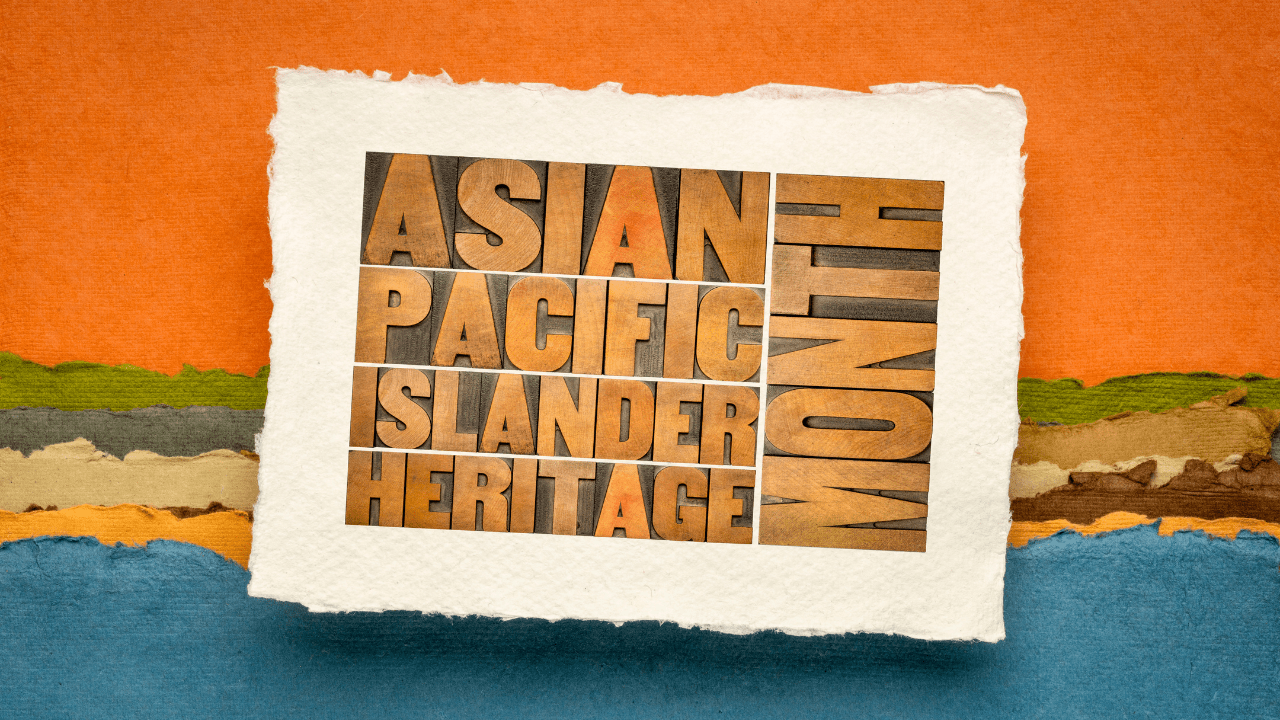
Finding so many similarities between Filipino culture and yoga philosophy, I realize how practices like this can keep us connected and honoring our roots. As such an ancient practice, the appreciation for it’s longevity and ability to stand the test of time makes it a perfect way to honor lineage, history, culture and traditions. Yoga making its way over to the Western world is a perfect example of how many cultures can extend throughout the world, sometimes through different lenses and can be practiced in a multitude of ways! As we honor Asian American Pacific Islander Heritage Month, may we look at the ways in which our heritage can intersect with the wise, compassionate teachings of yoga.