Peak Pose: Headstand (Sirsasana)
This week’s class theme is centered around perspective—both physically and mentally. Headstand, often referred to as the “king of asanas,” invites us to quite literally turn things upside down. In doing so, we challenge привыч patterns, build strength and focus, and cultivate a sense of calm within intensity.
Rather than rushing into the peak pose, this sequence is designed to gradually prepare the body through intentional movement, shoulder stability, and core engagement. Along the way, we explore what it means to stay steady, even when things feel unfamiliar.
Headstand asks for a balance of effort and ease. It’s not just about getting upside down—it’s about how we arrive there. This week, encourage students to move with awareness, trust the process, and remember that the journey matters just as much as the outcome.
Puttering
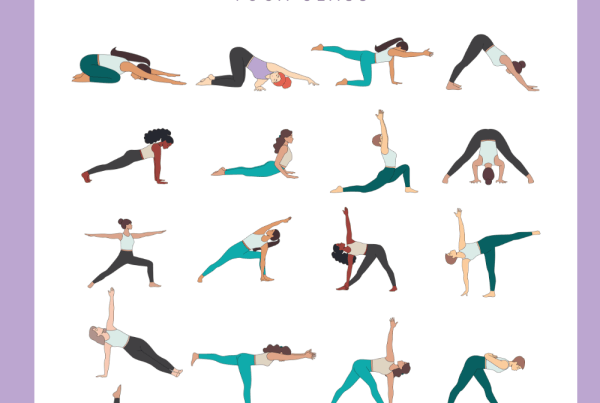
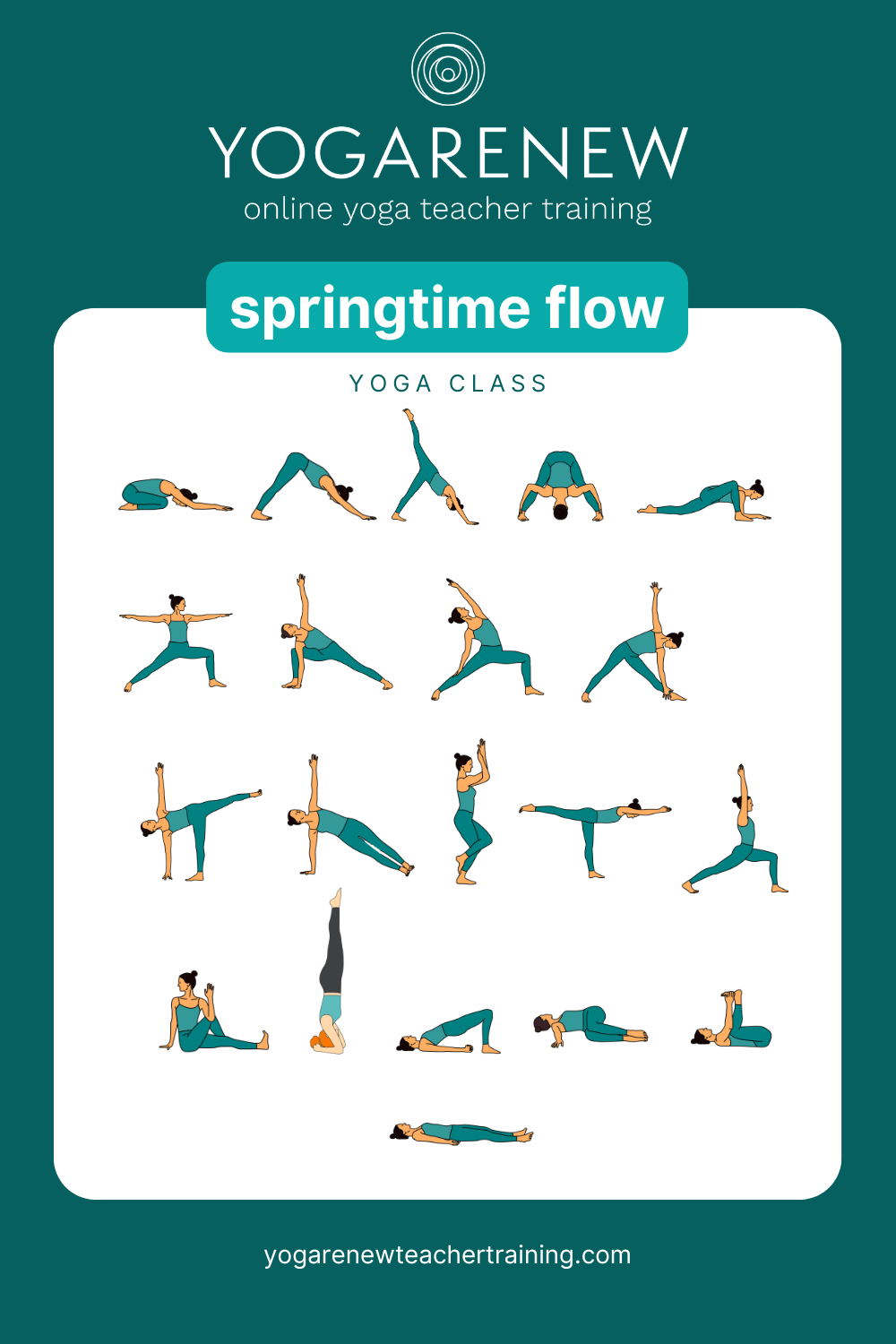
- Child’s Pose (Balasana)
- Downward Facing Dog (Adho Mukha Svanasana)
- Three-Legged Dog
- Low Cobra (Bhujangasana)
Standing Poses
- Warrior II (Virabhadrasana II)
- Extended Side Angle (Utthita Parsvakonasana)
- Reverse Warrior
- Triangle Pose (Trikonasana)
- Half Moon (Ardha Chandrasana)
- Side Plank (Vasisthasana)
- Chair Pose (Utkatasana)
- Warrior III (Virabhadrasana III)
- High Lunge
Inversion Prep
- Seated Twist (Ardha Matsyendrasana)
- Dolphin Pose (Forearm Down Dog variation implied in sequence)
Peak Pose
- Headstand (Sirsasana)
Cool Down + Integration
- Bridge Pose (Setu Bandhasana)
- Supine Twist
- Happy Baby (Ananda Balasana)
- Savasana
Tips for Cueing & Teaching
- Emphasize the rounding of the upper back & opening of the space between the shoulders.
- Offer options such as Dolphin Pose or Legs Up the Wall for students who prefer to stay grounded.
- Encourage students to focus on straight legs & extending through active feet to keep pulling them upward to find balance.
- Remind students that Headstand is optional—but no harm in trying & you are there for full support!
Closing Reflection
What shifts when you change your perspective? As you come out of your inversion and return to stillness, notice what feels different—physically, mentally, or emotionally. Sometimes, a small shift in viewpoint can create meaningful clarity.