The phrase “yoga is for everyone” has become one of the most widely shared mantras in the modern wellness community. While the core philosophy of yoga is universally welcoming, putting this principle into practice inside a modern studio or online class brings up complex questions around accessibility, inclusivity, and appropriate instruction.
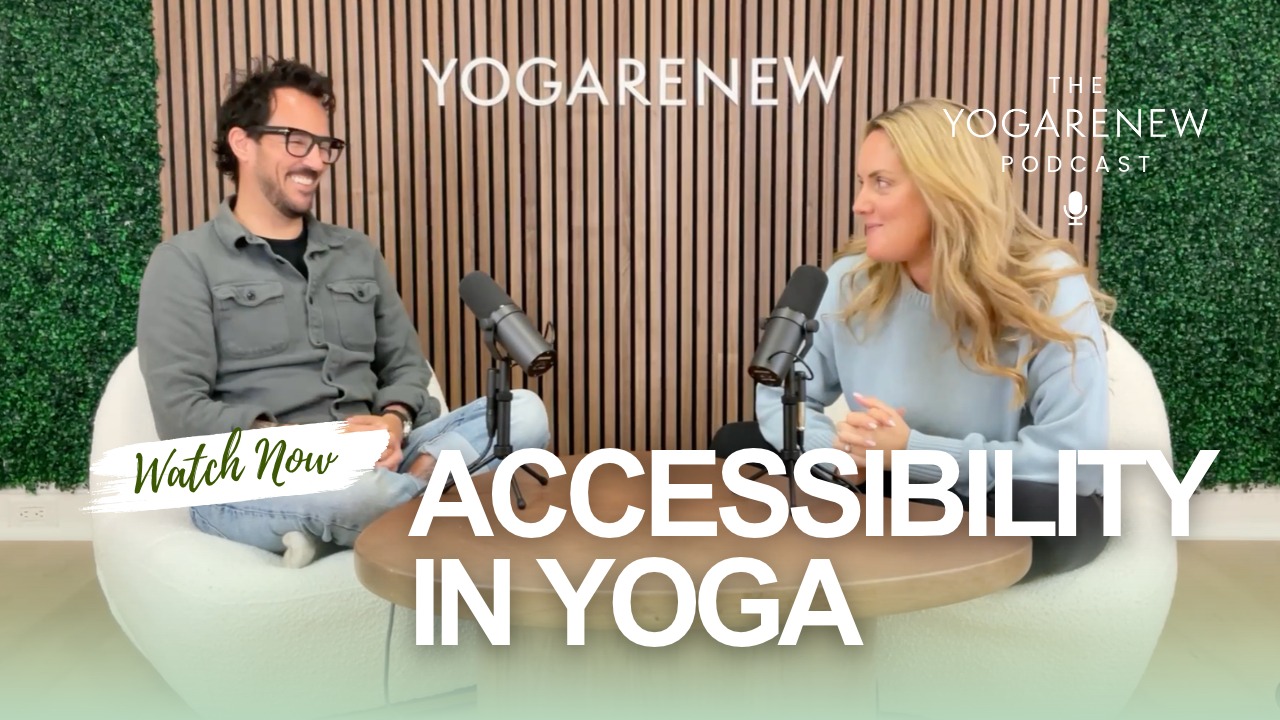
In this episode of the YogaRenew Podcast, hosts Kate and Patrick explore the multi-faceted nature of accessibility in the yoga industry. From physical capabilities to geographical proximity and financial hurdles, they break down what accessibility truly means for both yoga teachers and students.
Is Yoga Really for Everyone? The Many Lenses of Accessibility in Yoga
Accessibility isn’t a one-size-fits-all term. Making yoga available to everyone requires examining several distinct factors:
- Physical Accessibility: Adapting movement (asana) to accommodate different bodies, mobility levels, injuries, and physical conditions.
- Financial Accessibility: Addressing the cost barriers associated with studio memberships, class passes, apps, and yoga teacher trainings.
- Geographical Accessibility: Ensuring access to quality instruction whether a student lives in a dense city with studios on every corner or a rural area miles away from the nearest facility.
- Social & Emotional Accessibility: Creating safe, welcoming environments that actively include individuals of all races, genders, ages, and backgrounds.
“Yoga is for Everyone”—But Is Every Style for Everyone?
One of the key takeaways from the discussion is a essential distinction for practitioners and teachers alike:
Yoga as an overarching practice is for everyone, but not every style of yoga is appropriate for every single person.
Different yoga methodologies carry inherently different physical demands:
- Ashtanga Yoga: Traditionally a highly rigorous, structured system requiring significant strength, stamina, and wrist-weighting without the use of props.
- Vinyasa Yoga: Dynamic, fluid movement that typically requires continuous weight-bearing on the hands and wrists (such as Planks and Downward-Facing Dogs) along with athletic transitions between poses.
- Yin & Restorative Yoga: Gentle, low-impact practices focused on deep passive stretching, relaxation, and long holds.
*See also: Ashtanga vs. Vinyasa Yoga, Yin Yoga vs. Restorative Yoga
Expecting every single class to accommodate every physical need can diminish the integrity of specific styles or leave students feeling overwhelmed or out of place.
For example, a student with severe wrist arthritis may not thrive in a dynamic Vinyasa flow, but could gain tremendous benefit from a Hatha, Yin, or Chair Yoga class. Guiding students toward the right style for their body is key to a long-term, successful practice.
How to Bake Accessibility into the Class Structure with Smart Cueing
For teachers leading mixed-level or open-level classes, accessibility comes down to how options are offered and how language is framed.
1. Teach the Base Pose First, Then Offer Upgrades
Rather than starting with an advanced variation and telling students how to “downscale” if they struggle, start with the most accessible foundation.
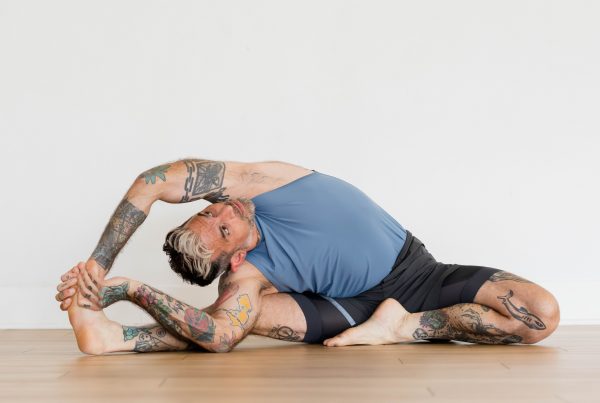
- Example (Revolved Side Angle): Start with the back knee on the mat and hands in prayer. From there, invite students to lift the back knee or extend the arms if it serves their body.
- This approach makes the accessible variation feel like the standard baseline rather than a “lesser” modification.
2. Balance Autonomy with Teacher Guidance
While offering options empowers student autonomy, over-queuing five different choices for every pose can cause decision fatigue. Effective teaching finds the sweet spot between encouraging students to listen to their bodies and gently challenging them to explore new edges when they are ready.
Culture Over Posture: Making Students Feel Seen
Ultimately, physical modifications mean very little if the environment lacks warmth and empathy. Often, when students describe a class as “inaccessible,” the issue isn’t just the difficulty of the poses—it’s feeling dismissed, unseen, or judged by the instructor.
Creating a truly accessible practice involves:
- Fostering open communication: Being willing to listen, receive feedback, and address student concerns without getting defensive.
- Removing the pressure of perfection: Reminding students that failing to achieve a complex pose has zero negative consequences on their worth or their practice.
- Cultivating warmth: Building an inclusive culture where every student—regardless of their flexibility, age, or background—feels valued the moment they step onto their mat.
Closing Sentiment from Kate & Patrick
Accessibility in yoga is a continuous, nuanced conversation that goes far beyond catchy soundbites. By understanding individual needs, selecting appropriate class styles, queuing thoughtfully, and cultivating compassionate studio environments, teachers and studios can help ensure that yoga remains a welcoming home for all.
Watch the full episode here:
What are your thoughts on accessibility in the yoga community? How do you adapt your practice or your teaching to make yoga more inclusive? Share your thoughts and join the conversation!