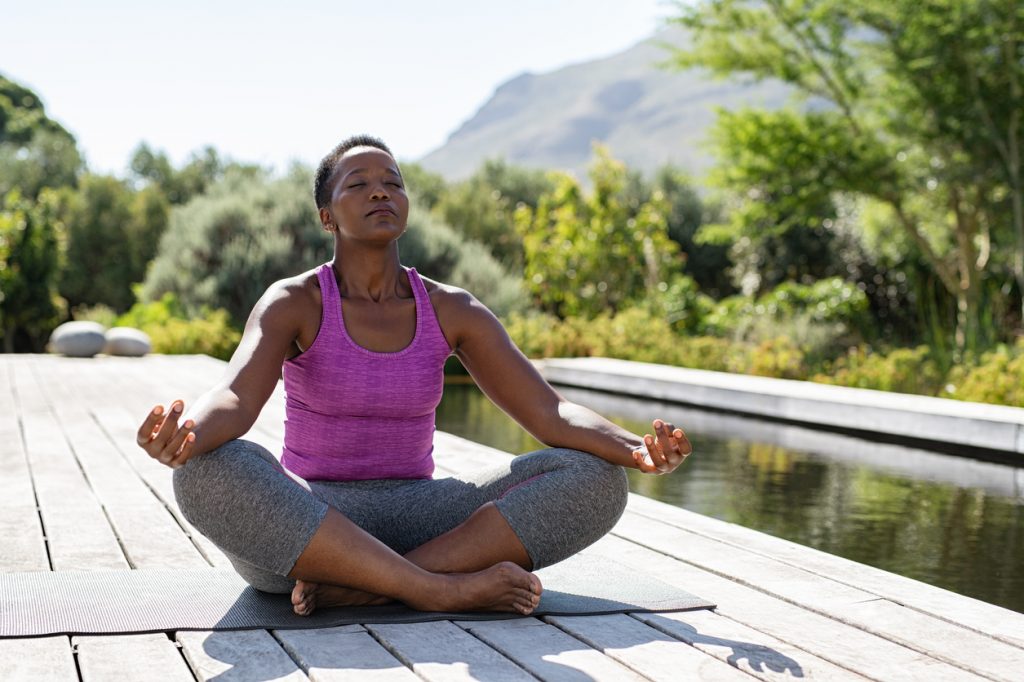
Yin yoga is considered an introspective practice that gives students the chance to turn inward and nurture a calm, quiet state of mind that lives within all of us. It’s a practice in stillness, patience, and non-reactivity.
Through yin yoga we become better listeners by learning to tune in, wiser as we get to know ourselves from the inside out, and more curious about our own inner world. Some of the popular benefits of yin yoga include: Keep reading to learn more reasons why you should take time to add a yin yoga practice to your day. Finding balance within our lives is a juggling act — we have jobs, family, friends, responsibilities, and hobbies. If you look at the yin/yang symbol you’ll notice that the white and black sections are in perfect balance. Many of us live very active lives and leave little or no time to bathe in the quiet, introspective side. Over time this can be physically, mentally, and emotionally draining. Through a yin yoga practice we can restore balance so that both sides have equal and necessary attention. The long holds in yin yoga poses provide a chance to bathe in stillness. There is a shift that occurs while holding a yin posture. Time opens up for us — deadlines, pressing matters, and to-do lists fade away and open up space for rest and renewal. Taking care of our physical, mental, emotional, and spiritual self is crucial to our wellbeing. A yin practice offers us the chance to observe, nurture, and calm ourselves. Carefully moving into a posture and focusing on your body’s specific needs is a form of self-care. Holding a pose for several minutes can provoke anxiety. But when we approach it with tenderness, the body acclimates. Surrender is a common theme in yin yoga, and giving up the need to control a situation is a lesson that we can carry with us into our day-to-day lives. The ability to adapt to the ups and downs of life and to manage change with grace can lessen our predisposition to stress. A healthy range of motion requires our layers of connective tissue to allow for the muscles to glide over each other. But injury, poor posture, and aging (among other factors) can tighten the connective tissues and create ‘adhesions’ and restrict the movement between the sliding surfaces of the muscles. Adhesions block the flow of nutrients and energy, (think of a traffic jam) causing pain and limiting range of motion. When we hold poses that gently and safely lengthen the muscles and connective tissues, it helps break up adhesions. Applying mild stress to joints and connective tissues can also increase their range of motion. Our bodies store emotions, so from time to time our thoughts, feelings, and memories can bubble to the surface during a yoga practice. Yin teaches us how to be gentle, patient, and nonreactive. When emotions bubble to the surface, the conditions are safe for us to explore them. Belly breathing, (also known as diaphragmatic breathing) is a powerful way to induce the parasympathetic nervous system. Activating the parasympathetic nervous system is good for us. It helps alleviate stress, tension, blood pressure and aids in better sleep, digestion, and immune function. Most of our time is spent stuck in the sympathetic nervous system because we live busy, active lives. As you move deeper into your yin practice, the breath slows down significantly, pulling you deeper and deeper into this parasympathetic, or relaxation, state. This is where the internal organs get a chance to catch up on their to-do list (digest, eliminate toxins, heal, repair). Yin yoga allows us to return to our bodies and to see just how remarkable we are. Diving deeper into the layers of ourselves, we learn about our inner workings, connecting to respiratory and circulatory functions, internal organs, and sensations within the muscles and joints. This heightened awareness of the body brings us closer to santosha, or contentment. The more you practice Yin Yoga, the more you will embrace the act of slowing down and connecting to yourself. As Bernie Clark said, “Completeness, wholeness often requires a rebalancing and a returning to the center where I can see my energies and care for my soul.” Learn about our Yin Yoga Teacher Training and contact us to learn more!
The Stillness Of Yin Yoga Prepares Us For Meditation.
 The yin practice sets us up to tap into a meditation mindset. Our daily cloud of thoughts and distractions tend to block us from being able to dive deeply into our consciousness. When we find space for physical stillness in a yin practice, we create conditions for the brain to become clear.
Yin Yoga Helps Us Learn Balance.
A Yin Yoga Practice Allows Us To Slow Down.
You Can Learn Self-compassion Through Yin Yoga.
Handle Stress Better With Yin Yoga.
Yin Practice Can Restore Range Of Motion.
Yin Yoga Rejuvenates The Body.
 Our body’s tissues can experience a revival of sorts with a long soak the same way that an old, stiff sponge can. As you hold a yin pose, the slow release that takes you deeper into the pose is the tissues lengthening, hydrating, and becoming more pliable. Many times you even can sense the tissues being stretched, squeezed, twisted, and compressed if you really focus your attention on the physical body. A yin practice has the potential to leave you feeling as though you’ve had a massage.
A Yin Yoga Practice Creates The Opportunity To Sit With Emotions.
Yin Yoga Taps Into The Parasympathetic Nervous System.
Belly breathing can change this.
Yin Creates An Opportunity To Cultivate Gratitude For Our Bodies
Interested In Becoming A Yoga Teacher?
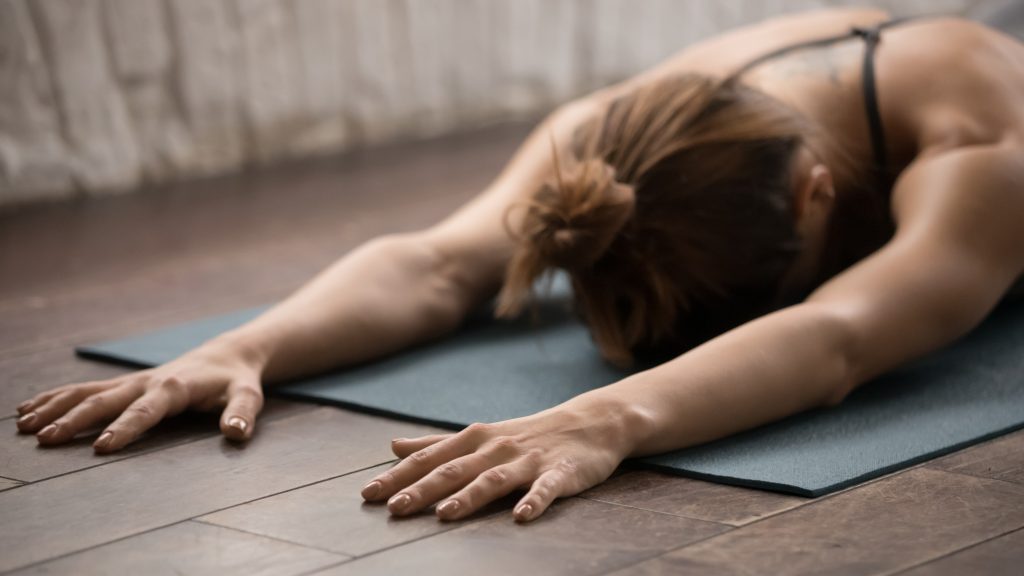
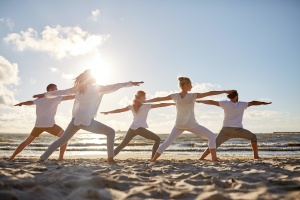
 The ancient Chinese concept of yin and yang relates to the idea that within two opposing forces, there is balance. Certain styles of exercise can be categorized as either yin or yang according to their qualities. Workouts such as running, HIIT, and heat building yoga classes are considered yang because they are active, sweat-inducing, dynamic, and repetitive. The principles of yang relate to masculinity, heat, and movement. Yin is the feminine force and is related to stillness, rest, balance, cooling, and release. Exercises that are based in stretching and relaxation are yin in nature. If yang-style workouts are overused without the balance of yin, there is the potential for the body to become overworked, injured, or fatigued. Bringing yin yoga to your movement routine will help with improved flexibility and relaxation.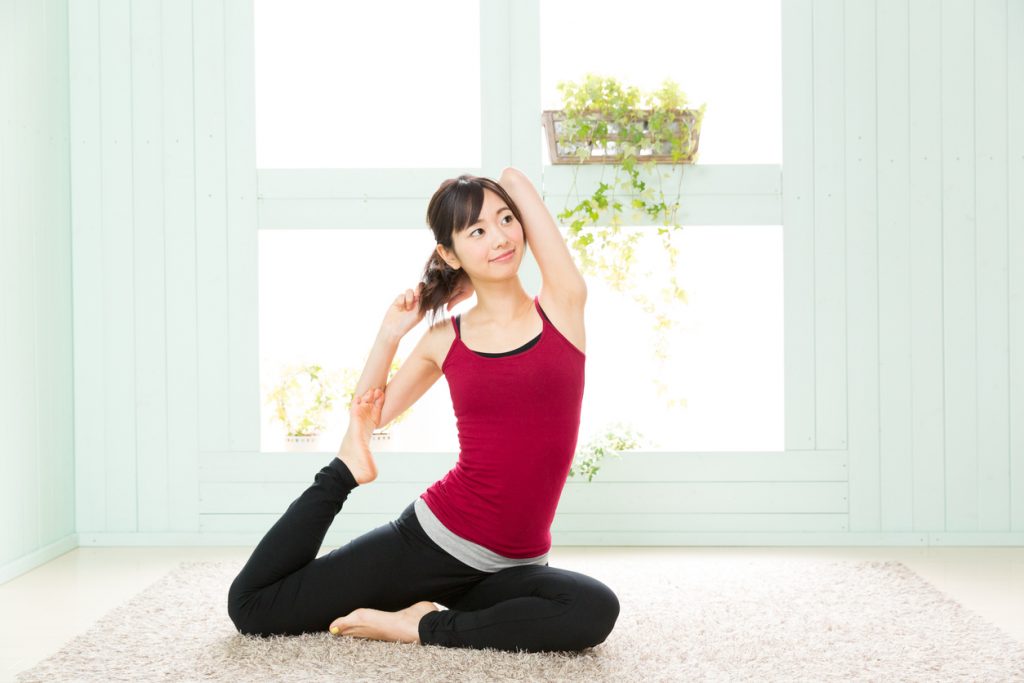
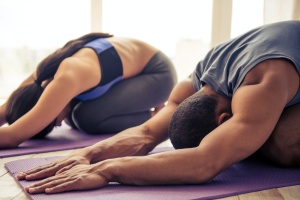 Stress management isn’t a luxury. It’s part of our inherent and very necessary survival skill sets as human beings. We have no choice but to adapt in many situations, including the one we’re in right now. There are countless avenues to alleviating stress and anxiety, and not all of them are healthy. If we don’t take a conscious effort to explore and identify healthy relief that works for us, we’re likely to reach for vices that provide temporary but dangerous and harmful results. Smoking, drinking, or spending hours bingeing on Netflix are all very common “stress relievers” that don’t do us any favors in the long run—or even in the short run.
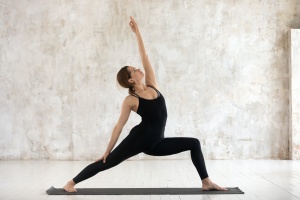 One of the pillars of meditation is concentrating on living in the present. It’s extremely difficult to do, so simply trying not to get flustered is a big part of the practice. My personal meditation practice usually follows my yoga practice or takes place first thing in the morning. I’ve tried out several types of meditation in my life, and I’ve found that candle meditation (staring at the base or tip of a flame in the dark) and mala beads work best for me.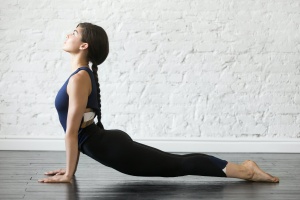
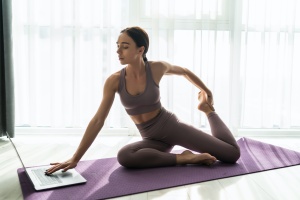
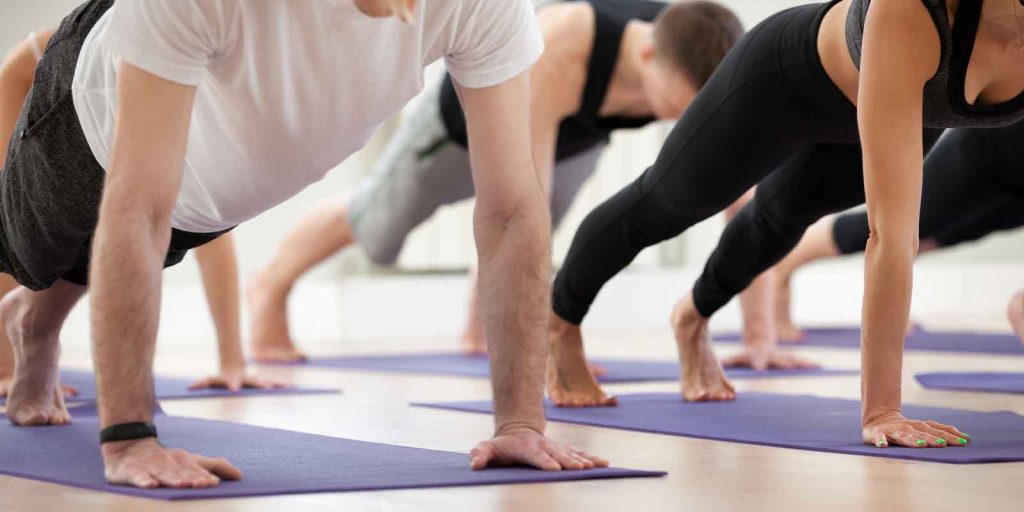
 Chaturanga begins in plank pose. However, you can train your body and mind to shift into Chaturanga from plank simply by moving forward about one inch. Your wrists should be directly under your shoulders while in plank, but prep for Chaturanga requires you to be slightly forward.
 Linking breath with movement is one definition of yoga. It’s not just “movement.” If you’re not practicing the breathing half of things, you’re only doing half of yoga.