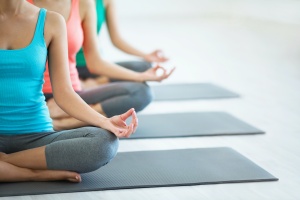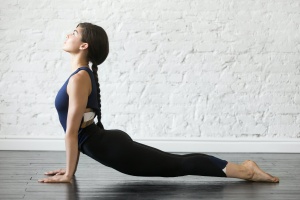
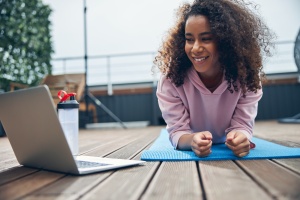
There are countless yoga videos available to download or stream, and unsurprisingly many of them are focused on stress relief. These challenging, unprecedented times have yogis scrambling for a “quick fix” or a way to infuse their practice with more stress-busting approaches. However, there’s no getting around the fact that screen time alone can sometimes increase anxiety and stress. Since so many of us are working from home and staring at screens more than ever before, it’s worthwhile to dedicate at least one yoga flow a week to zero screens.
If you’ve been practicing for a while, have been thinking about pursuing your yoga teacher training certification, or are even in the middle of training, it’s especially important to learn how to create and adapt various flows of your own. For those who haven’t taught before, here’s a secret: there are a lot of yoga teachers out there (very good ones, too!) that don’t memorize and map out every single asana before every class. Intuition is a big part of being a good teacher—even when you’re your only student.
My home practice evolves around a daily flow that I create the day before. These are asanas that I especially want to focus on the next day, but they are by no means written in stone. It’s also a way to ensure that I don’t overlook some particular asanas for too long of a stretch. Left to our own devices, it’s very common to seek out the path of least resistance. Most of us like poses that we’re good at (as if there is such a thing) or that feel the best. We might not seek out the poses we find more challenging or uncomfortable if we don’t write down key asanas in advance. (Bear in mind, there’s a big difference between pain and discomfort.)
Creating Your Unique Flow
There is no perfect flow for balance and soothing. However, incorporating some restorative asanas into your usual flow and carving out time strictly for meditation post-Savasana is a good start. Restorative yoga is often known for having ample props, but there’s no need to head straight to your favorite online yoga retailer to stock up. Props like bolsters and straps can easily be created through makeshift items in your home.
When soothing balance is the kind of flow you want to focus on, slow down. If you’re used to the uber-popular Vinyasa-style in the west, it might be time to incorporate more Iyengar-style yoga into your practice and hold poses longer.
Here’s a sample flow that I’ve practiced myself. When lockdown came into place, I transitioned to holding poses for one minute each (which means this flow will probably look a lot shorter than you imagine):
Transition from resting forearms to hands extended with fingers spread wide. Roll the forehead along the mat as you finger-walk from the left to the right, holding each side for one minute. As you stay in Child, take time to explore with your breath. You deepen your inhales and exhales as you surrender further into this pose.
-
- Table Top to Cat/Cow Flow:
This is a great flow to warm up your spine. Feel free to explore barrel rolls, move side to side, or anything else that feels good in these two poses.
Be sure to do both sides for this pose. You have the option to keep your free arm on the mat for support or in a half-bind behind the back. Stay in this pose for as long as you feel you need to.
When doing this pose, try to pedal your heels towards the ground slowly to stretch your hamstrings. You can experiment with this pose further by bending your knees or perhaps bending one knee at a time. Find what works best for you in your own body as you explore this pose.
-
- Extended Leg To Big Toe:
We already don’t extend our toes in our regular lives or really pay much attention to them. Our toes take a huge burden every day by helping to carry our body weight and balance us as we walk. I incorporate this pose into every practice every day.
-
- Downward Facing Dog:
If you’ve taken up running as a means to get outside (while still keeping your six-feet distance), experiment with extending one sole flat to the mat with the opposite knee bent as much as necessary for one minute, then switch. Tight muscles in the legs are notorious for runners and yoga can help counteract that.
-
- Forward Fold To Mountain:
Any modifications in this transition are welcome, such as ragdoll.
-
- Warrior 1 to Warrior 2:
Option of elevating arms or not (depending on energy levels). The first couplet in the warrior series has become synonymous with yoga for many westerners, and incorporating it into your practice can be a welcome familiarity for those new to a home practice.
Modifications are welcome, including slow blinks or prayer hands behind the back.
Similar to the warrior series, this vinyasa flow can help provide comfort if you’re missing your usual studio practice. Take it slower for now, and practice one long breath per movement. Opt for full belly resting on the floor instead of hovering in a tricep pushup. Cobra breaths (rise with an inhale, lower with an exhale) can take the place of up-dog to downward facing dog.
-
- Legs Up The Wall:
You can do this pose for a minimum of two minutes or longer depending on how you need it.
-
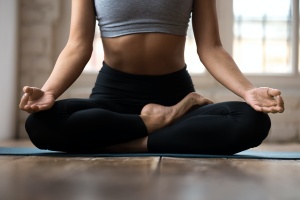
- Meditation:
Follow with ten minutes of meditation of your choice. You could choose a simple breathing meditation, mindfulness meditation, gratitude meditation, or guided meditation! There’s no right or wrong way to meditate to feel free to modify, tweak, or expand as you like. Remember to always listen to your body during the flow as well. Even if you’re the one who writes the flow, that doesn’t mean you have to follow it to the letter—or at all. Some days you might find you have less energy than others and that’s totally fine. Just be sure to tune into your body and listen to what’s it is saying to you.
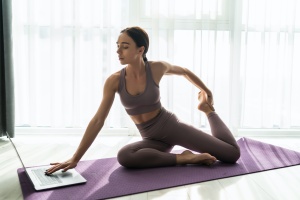
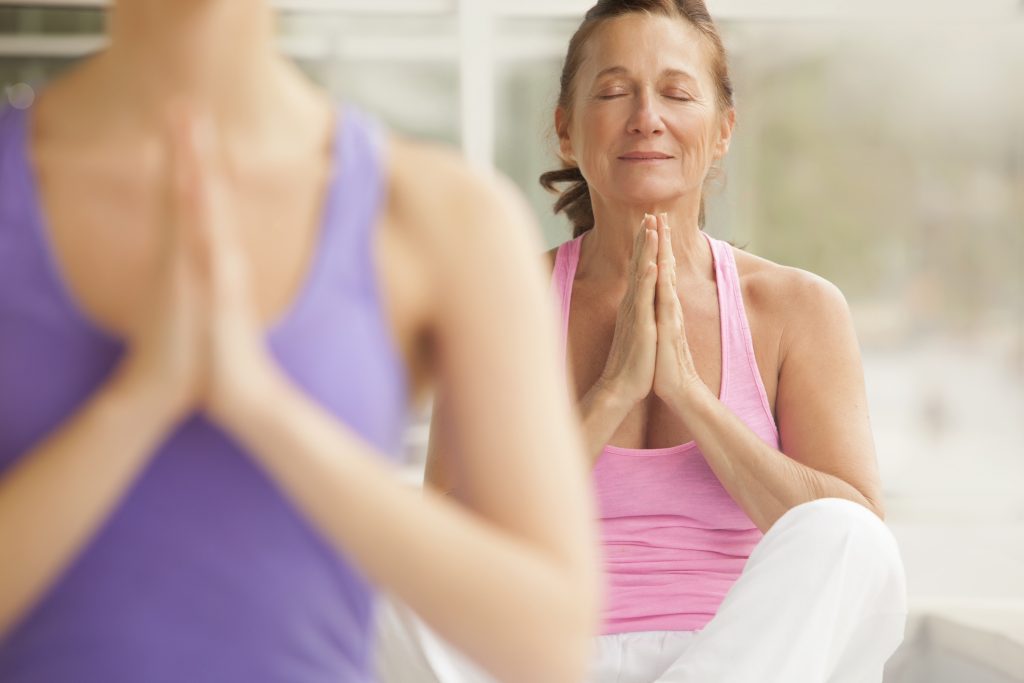
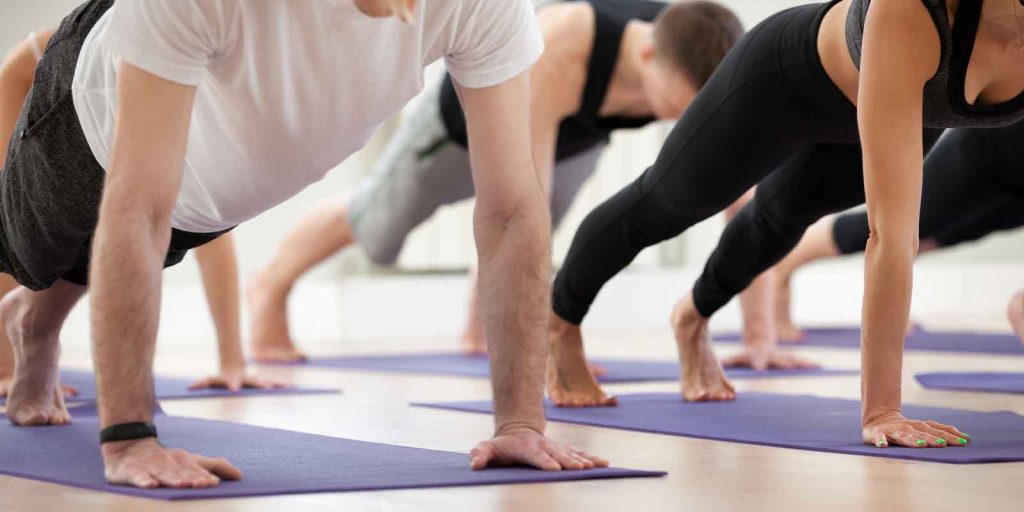
 Chaturanga begins in plank pose. However, you can train your body and mind to shift into Chaturanga from plank simply by moving forward about one inch. Your wrists should be directly under your shoulders while in plank, but prep for Chaturanga requires you to be slightly forward.
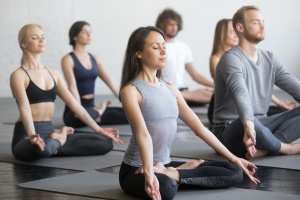 Linking breath with movement is one definition of yoga. It’s not just “movement.” If you’re not practicing the breathing half of things, you’re only doing half of yoga.
 Think of verbal cues as a practice of connecting with people through language. Our words will likely fall flat from time to time, but we’ll always have the opportunity to try again. If a cue results in confusion or students move in a way we didn’t intend, that’s helpful information. In that situation, try a different approach instead of moving on. Self-correcting in the moment reveals our leadership and care. Our students’ responses to our cues are feedback on the cue itself and are not judgements on our value as yoga teachers. Here are some tips for improving our communication skills in class:
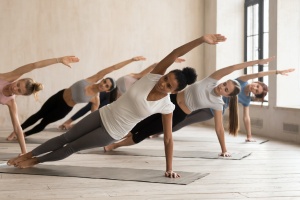 When it comes to verbal cues, less is more. We don’t want to muddy our key message with a lot of words and it’s important to give our students time in the poses without us talking so they can turn inward and listen to whatever surfaces. Keep it clear and concise, and allow the combination of breath and asana to work its magic.
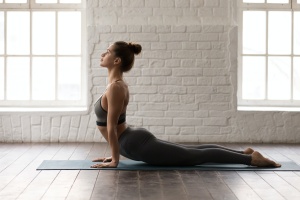 Yoga happens to be an activity that actually has all many
 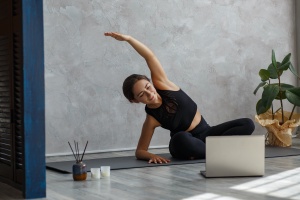 “We’ve seen a significant uptick in referrals from psychologists, especially for patients with anxiety,” says Steve Hickman, PsyD, executive director of the University of California San Diego Center for Mindfulness, where health care practitioners — including psychologists — conduct mindfulness research and offer classes for patients. “Therapists and doctors are rethinking their attitudes toward meditative approaches largely because there’s a persuasive body of evidence showing that [these modalities] can help with stress and mood disorders.”
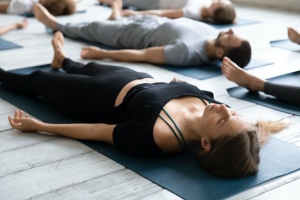 What’s the first thing a yoga or meditation instructor usually asks you to do at the beginning of a class? Usually, it’s to begin focusing on your breath. Breathing techniques, or Pranayama, are a powerful tool to regain
  Practice as many cycles as you’d like, I would recommend at least 9 cycles if you can. If you can increase the length of your cycles you are welcome to do so, you may find that your lung capacity and breath control increase with practice. Once you are finished with your cycles take a couple deep rounds of breath regularly. How do you feel?