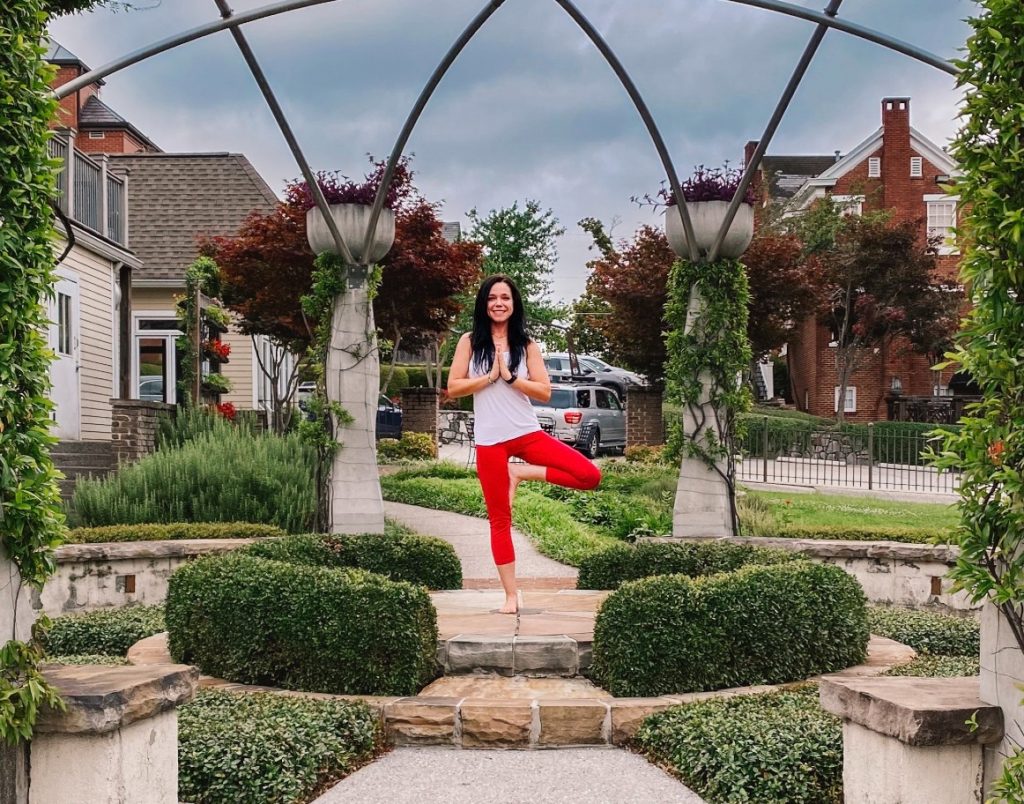
We’re often everywhere with our thoughts and feelings – except in the present moment. We think about the tasks that still need to be done, obstacles that may arise, what others might expect from us, and sometimes we are simply distracted by the little things, with our mind wandering and are therefore unable to focus on the here and now. Mindfulness is supposed to counteract this and direct our perception of the current situation.
Research has also proven that cultivating mindfulness makes it possible to produce general improvements in mental function that can benefit our daily activities. Easier said than done, right? The good thing is, though, Mindfulness is a skill that can be learned and developed.
Here are some mindfulness tips from YogaRenew graduates.
“In my practice of mindfulness, I use my breath as my focal point. If I feel my thoughts drifting elsewhere, I turn to the rise and fall of my abdomen to ground myself in the present moment again.”
-Katie Deabler, Maine
“Mindfulness comes more accessible when we give ourselves grace. Part of mindfulness is acceptance, which can be challenging if we aren’t happy with ourselves. Giving ourselves grace helps with acceptance. Don’t get too worked up about the surroundings. Mindfulness can happen anywhere. If you focus so much energy on the perfect setting, you can lose sight of acceptance of where your life is at that moment.”
-Darlene Davis, Illinois
“Put your phone away while doing tasks. I set all my apps to power down after 9 pm, and they do not reopen until 7 am. Get outside in nature and observe all the beauty around you. Being in nature is a great way to help you stay mindful.”
-Filomena Scholl, New York
“I started my mindfulness journey with a cell phone detox; we can’t see the world around us if our attention is glued to a screen. I begin my day with a yoga flow and focus on my breathing. Moving the body and being aware of our breath is the most grounding technique I know of. It helps me with my depression, anxiety, and racing thoughts.
Eating slowly, getting outside, feeling the sun on my skin, emptying my mind, and listening to those around me are focuses daily. I also meditate each day, sometimes several times a day. Sitting in a quiet space, free from distractions, helps calm my mind and soul so very much. I think that the best tip I could give would be to release your mind from negative thoughts, about others, about yourself, about the world around you. Begin by replacing those negative thoughts with positive ones, and soon it will become your new normal.
All of these things start as small techniques, and over time build into habits, leave your mind more peaceful and help you fall in love with life. “
-Leigh Ann Atwell, Tennessee
Vipassana meditation requires you to observe your breath, which will make you aware of your emotions inside and how to react to the outside world. It benefits in day-to-day activity and brings out the good in you. It helps us to be aware of everything around and inside of us.
When connected to your breathing, yoga asanas truly get out a complete person in you where all your sensations are balanced and make one a happy soul.”
-Sonal Panwar, South Carolina
“A 5-minute quiet time with your breath can help reduce the varying and rushing thoughts in our minds. Why worry about what has not even happened yet, and why think about what has already been done?! We can certainly take control of the present moment by being mindful of our thoughts that decide our word choices and our actions.”
-Surina Sharma Gambhir, Toronto, Canada
“Close your eyes, take 2 to 3 deep breaths, and connect your soul with your mind. Focus on your theme, your project, your day. Find a Mantra for your day, only for this day, and repeating it to yourself. Take a last deep breath and start your day, your project. If you feel like you are starting to get lost, remember your Mantra with your breath, then return to the present moment again. A Mantra I use is: ” I embrace myself to connect my soul with my brain. I am focused, open, and alert on every blissfully way.”
-Penelope Doutsiou, Athens, Greece

 Benefits of Yoga for Cancer



 Practice At Your Own Pace & Location
 Connect With Students From Diverse Backgrounds
 Review Content Anytime