Why is Ayurveda considered the sister of yoga?
Ayurveda is a science that helps us understand our personal rhythms and the rhythms of this world. It’s often called the sister science to yoga because it’s said that Ayurveda and yoga are meant to be practiced together. We can understand yoga as a practice that helps us tune into our soul and connect to the divine. It can help us understand the nature of our mind and access our heart so we can remember who we really are. Ayurveda helps us understand this body we are born with and how it works in this world. Ayurveda helps us understand matter, the world, and the elements that make it up. It allows us to live in this world while having a connection to our soul.
Whenever I teach an Introduction to Ayurveda class, I often like to open by saying that Ayurveda is the Sister Science of Yoga. That usually sparks some interest in everyone because most people have heard of yoga, but Ayurveda is something that’s not quite as mainstream, but it’s definitely a science that’s becoming more and more popular. We’re even starting to see certain celebrities talk about Ayurvedic Treatments, Ayurveda Wellness, and even Ayurvedic Cleanses. Just like yoga, Ayurveda can sometimes come off a bit intimidating to anyone brand new to it, but both yoga and Ayurveda can be incredibly accessible once we begin to learn more. Ayurveda may actually help us with our yoga practice and our yoga practice can help us bring Ayurvedic principles into our lives. They truly are “Sister Sciences”
1. Balance
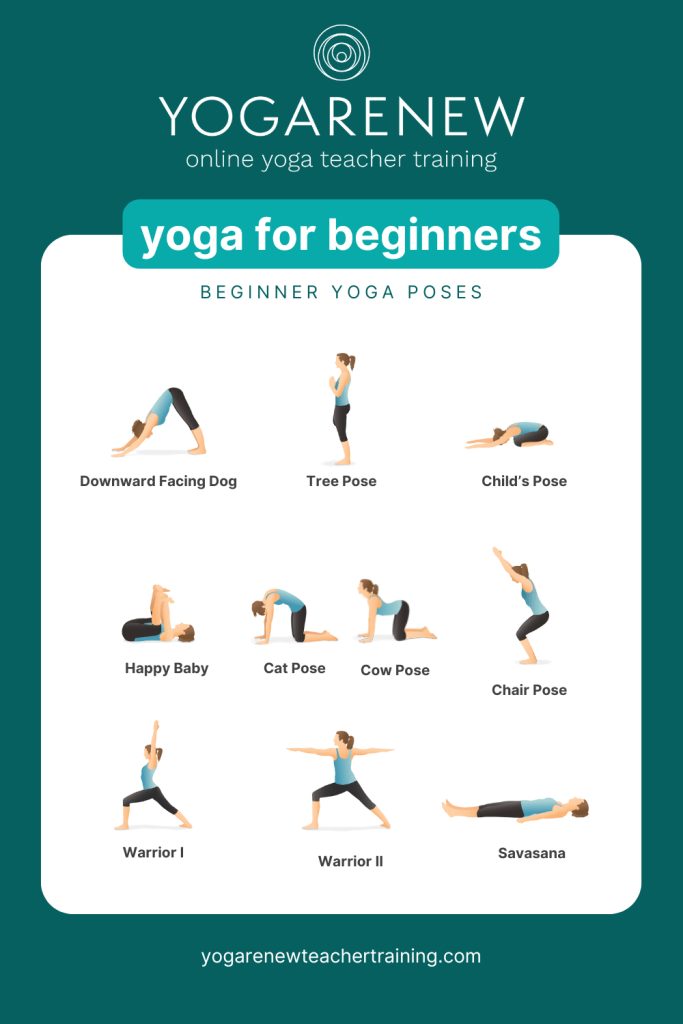
When we are balanced in our body, mind, and spirit through Ayurveda, we can connect more deeply to our yoga asana, meditation, and pranayama practices. These days, when we take a yoga class, we usually move through the asanas (the physical shapes), maybe some pranayama (breath-work), and perhaps even some meditation.
If I’m having a day where I wake up irritated because I didn’t sleep much, drink a ton of coffee, eat super spicy food for lunch, and then have a very heated argument with a coworker, I might think that going to a vinyasa yoga class is the perfect way to balance out my frustrating and heated day. However, once I get onto my yoga mat, I might start to feel like I can’t sit still because I’m still buzzing from my hot lunch and heated conversation. Even as I begin moving through the asanas, I may find that my stomach is bothering me or I might even also have heartburn from the spicy food. Maybe my lunch from earlier didn’t digest well because I had a rough conversation with my coworker immediately after eating and now it’s distracting me from my yoga practice.
While I might be able to make it through the class, I might find myself overly irritated as opposed to finding the balance I was seeking. By the end of the class, the teacher might offer up some pranayama or meditation, but I probably won’t be able to focus because I’m incredibly over-stimulated.
Ayurveda teaches us that like increases like and opposites balance. Waking up irritated, drinking coffee, consuming spicy food, and having intense conversation are all very heating choices. By filling my day with these choices that are quite “hot” in their quality, I’m only making myself more and more heated as the day goes on. Once I’m in this overheated and over-stimulated place, it can be difficult to cool down and find balance.
Ayurveda teaches us that everything we take in through our senses will either bring us to balance or out of balance. Perhaps when I woke up irritated, I could have had coconut water or some herbal tea instead of that coffee. As my day went on, I could have had a lunch that was well-cooked and easy to digest instead of the spicy food. After lunch, going for a light walk would have helped me digest not only my food, but also why I didn’t sleep well. Then, maybe my conversation with my coworker wouldn’t have escalated. The yoga class could have provided the balance I was looking for if I’d made some of these small adjustments throughout the day. When our mind, body, and spirit are balanced, our yoga practice can help us remember who we are and why we’re here. We can start to see how life is happening for us and not to us.
2. Health + wellness
“In the words of Dr. Marc Halpern, the Founder and Director of the California College of Ayurveda, ‘the path to perfect health parallels the path to enlightenment!’” When we study and practice Ayurveda, we are doing the best we can for ourselves to be on the path of perfect health. When we study and practice yoga, we are usually on the path to finding and achieving enlightenment. Both “perfect health” and “enlightenment” look very different to different people, and this is what’s so beautiful about both.
When we enter onto the path of finding ways to better ourselves and feel more alive in this world, both yoga and Ayurveda work hand in hand to guide us to a place of balance. When we are balanced, we can begin to remember who we really are and why we are here. It’s believed that the cause of most, if not all, suffering comes from forgetting who we really are. When we forget who we really are, we begin to identify with who we really are not. We might use our paychecks, our car, our home, our clothes, and even our occupation to define ourselves. When these things disappear or when they’re taken away from us, we’re left feeling empty and lost because we’ve been identifying with things that aren’t eternal.
3. Freedom from suffering
Both yoga and Ayurveda aim to free us from suffering. It’s inevitable that we will all experience some form of suffering during our time as human beings here on planet earth. We all move through similar experiences like birth, life, disease, and death but for some reason, most of us are shocked when we’re faced with these experiences. Yoga teaches us that we are so much more than these experiences and that we’re all connected to something higher and more eternal than what we see here on earth. Some lineages call this God, love, or even a greater higher truth.
The Yoga Sutras of Patanjali present to us the Eight Limbs of Yoga, a system that outlines a way for us to live a life filled with meaning. When we feel like our life has no meaning, we might fixate on the experiences that cause suffering. The Eight Limbs help us move away from this fixation and move through life in a more purposeful way where we can gain control over our mind.
Ayurveda teaches us that most, if not all, disease begins in the mind. When we pollute our mind with thoughts that cause worry, anxiety, stress, sadness, or any other lower emotion, put ourselves into a state of dis-ease. We are no longer at ease with our lives and with who we are. This may begin to manifest as complications in our physical body and also in our subtle body. Yoga and Ayurveda come together to give us tools to recognize the beauty in our lives and in everything we do. Both provide practices for us to love ourselves and the world around us.