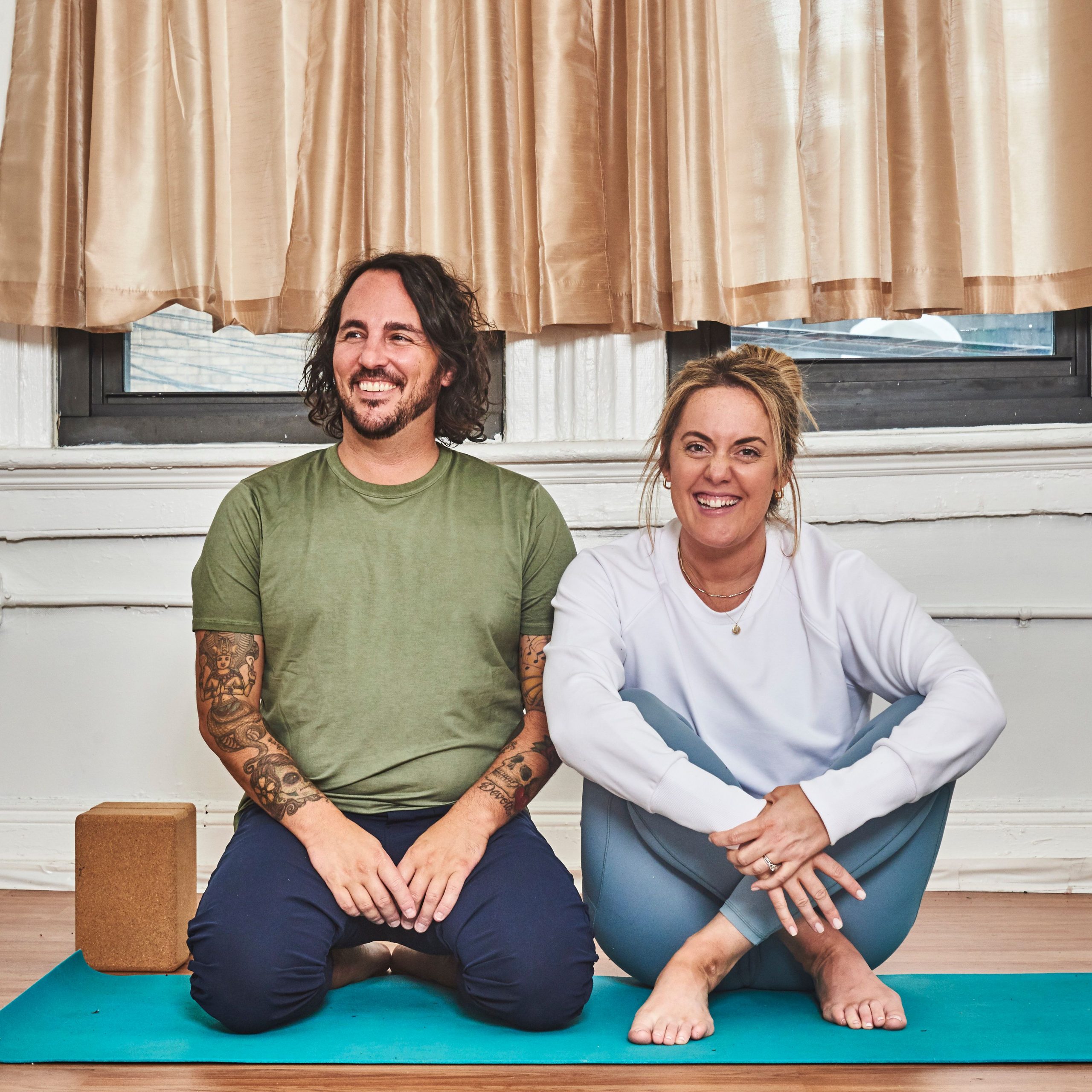
As a yoga teacher, part of gaining a following and announcing new classes is done through social media marketing. While it can seem completely overwhelming, it doesn’t have to be! As a marketing professional and yoga teacher, I learned a lot about this craft, and want to share the top five core marketing principles that’ll help you build a successful yoga business in a manageable way.
Be Authentic
Along your yoga journey, you learn how to connect your mind and body together in a way that breeds your true self. This development of your natural self is the key to expanding your social media impact as well. By showing others your true self and how you got there, you’ll naturally draw in an audience, and not just any audience- your true audience. Members of your true audience are going to want to learn from you, because they’re genuinely interested in your story and the wisdom you share.
Start Small
Trust me, there are a ton of ways to market your yoga business. However, it’s important to realize that many of these ways won’t work for you. To avoid overwhelm and get yourself out there authentically, start small. Do a couple of activities that you’re comfortable with (ex. Create an Instagram profile, announce your yoga business on your Facebook, talk to fellow yogis about your journey as a teacher, etc.). Then, once you’ve seen growth and are ready to take on more, look into expanding your marketing efforts.
Note: If you’re not comfortable with any form of marketing yet (don’t worry- we’ve all been there!), do some research on the marketing strategy you feel will best showcase who you are. For yoga teachers, I recommend starting out with Instagram, because of the photo, video, and caption nature of the platform.
Stay Consistent
Just like in your yoga practice, consistency is key! This doesn’t mean you have to post every day and document your whole life through stories on top of managing your class schedule (even writing that left me a little overwhelmed!). Pick a schedule that works for you, even if it’s on the lighter side, and expand when you’re fully comfortable and ready. Trust me, receiving a little bit of content consistently goes much further than receiving sporadic pockets of content because you’re burning yourself out of content creation.
Batch Create Your Content
If you get burnt out of creating content every day, you’re gonna love this one! By batch creating your content, you can knock out your content creation in a shorter time than it takes putting in the work to post everyday. The best part? Once the content is created, you hardly have to think of content creation again until your next batching session!
Have Fun
In being authentic, you should start to learn what you love- both for yourself and to share. Marketing should be fun, because it’s all about sharing something you’re passionate about with likeminded people.
I wish you the best in your marketing journey!





 Oftentimes, simply breathing is the solution to the symptoms that anxiety sufferers face. The racing thoughts, worries, lack of concentration, among other signs and symptoms, can all be better controlled by utilizing the breath. By paying attention to how you’re breathing, you can understand your breath while reducing any distractions or strains on the body. The best part, these exercises can be done anywhere.
 While recommended to practice in preparation for meditation, Alternate Nostril Breathing does wonders for your concentration in just a few rounds. Along with centering your body and mind, it’s an excellent technique for clearing your sinuses and improving your respiratory function. The practice has also been widely successful in


 Jenifer graduated in April of 2021. In addition to the 200-hour teacher training course, Jenifer has completed the 200-hour Yin training and the 20-hour children’s yoga program. The online, self-paced program works well for her. Her favorite part is being able to look back at all the modules and recorded Zoom calls to reference materials later as she puts together classes. She’s currently teaching locally and online and has a client in France, who found her through social media.
 Jena Radcliffe of Orefield, Pennsylvania in the USA
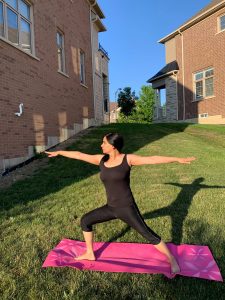 Surina Sharma Gambhir graduated from YogaRenew’s 200-hour program in June of 2021. Surina began looking for reputable online schools where she could study for her teacher training certification. She chose YogaRenew, because of the positive ratings from other students. She emailed a few previous graduates to get their feedback on the course and then chose to enroll. Surina loved how easily the course was laid out and that she didn’t have to wait long when she needed help. She really enjoyed the community and the help she received from YogaRenew’s student Facebook group. Through her Instagram, she has connected with yogis all over the world from the YogaRenew program.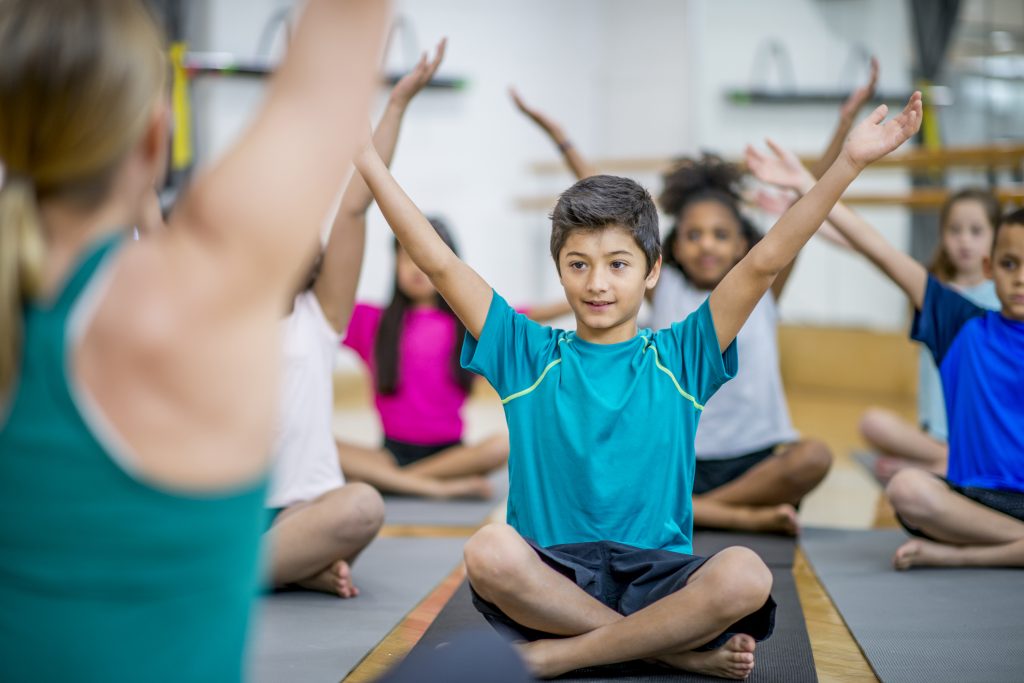
 Children’s yoga is more accessible than ever before since schools and day cares are adding the practice to their curriculums. With the increase in demand comes a strong need for new teachers.
  When teaching young kids, it’s important not to take yourself too seriously. Kids learn through play, and you can’t teach them to play without practicing what you preach. This will quickly enable them to relate to you and to trust you.
 Just like adult students, every child will have a unique experience with yoga. From a purely physical standpoint, some kids will be more flexible, some kids will have a better sense of balance, and some will be able to progress faster than their peers.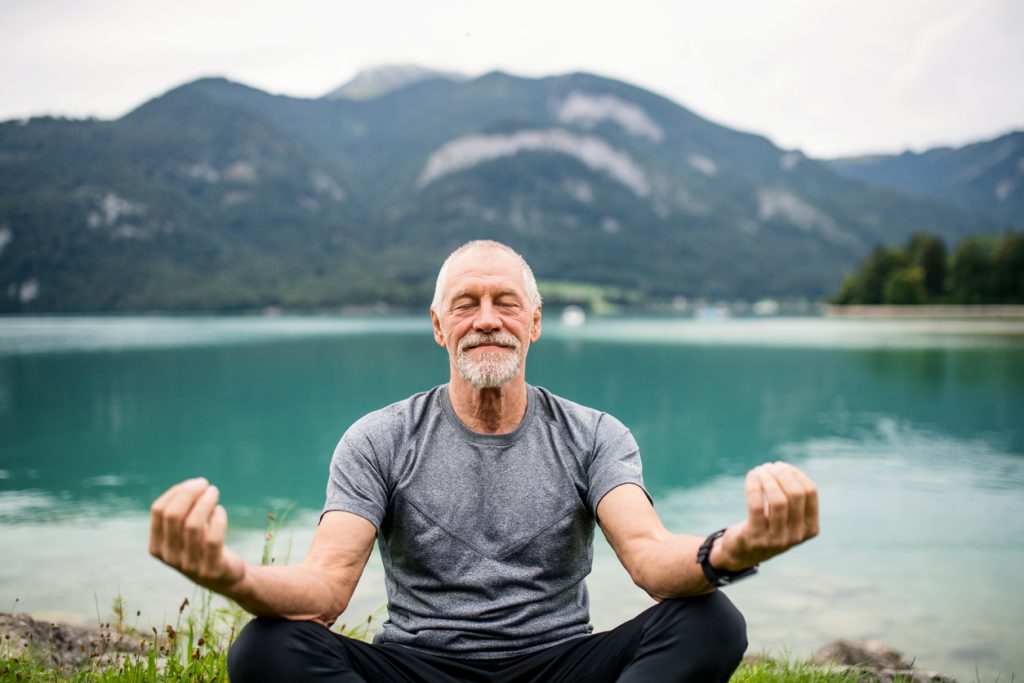
 Letting go is a simple phrase, but the instruction isn’t. Even for the most seasoned yoga practitioners, relinquishing control, detaching from sense distractions, and demonstrating faith is a constant, daily practice that can ebb and flow between graceful diligence and downright frustration. The following paragraphs offer another perspective of letting go, plus suggestions for teaching this topic in a yoga class.
 LettingSo how does this all translate to an āsana practice? Yogic postures are tools for shifting our awareness from the actions of our bodies to the energetic levels of our souls. The reason why the postures should be steady (sthira) and comfortable (sukha) is so we can maintain them for meditation5. It all comes back to quieting our minds. In order to turn our attention within, we need to bring our minds under control so we can untangle ourselves from material lures.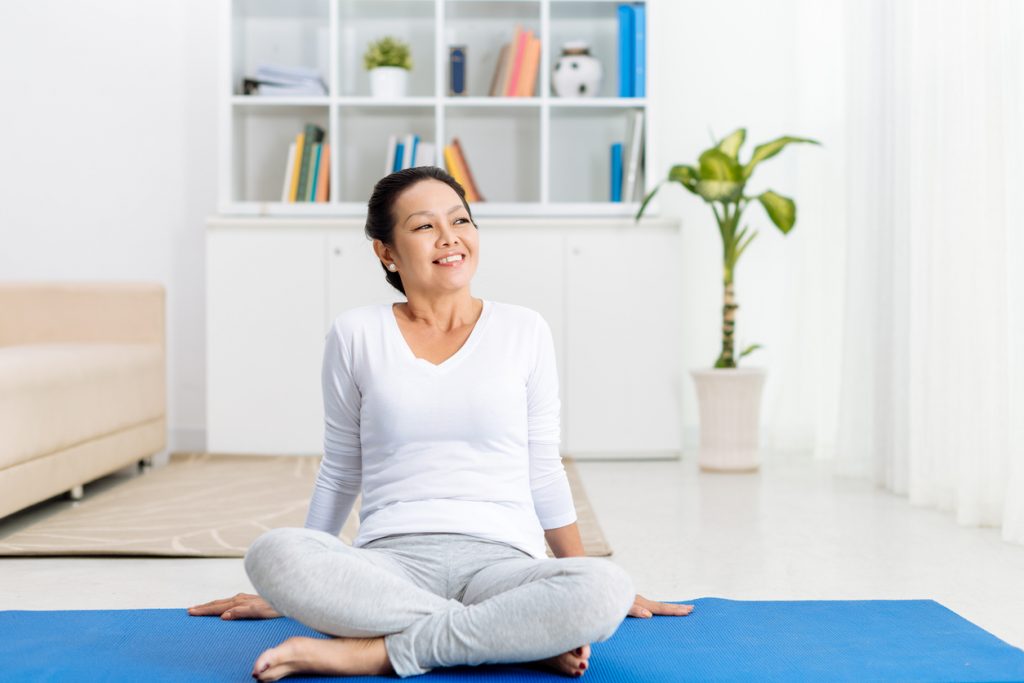
 I’ve been there, too. When we have too much to pay attention to, it’s challenging to focus and establish better rhythms for ourselves. Sometimes too many unexpected changes happen all at once and it’s tough to scale back. But very often we can find some balance by managing our thoughts and changing our perspectives. The Yoga Sūtras offer practical teachings for
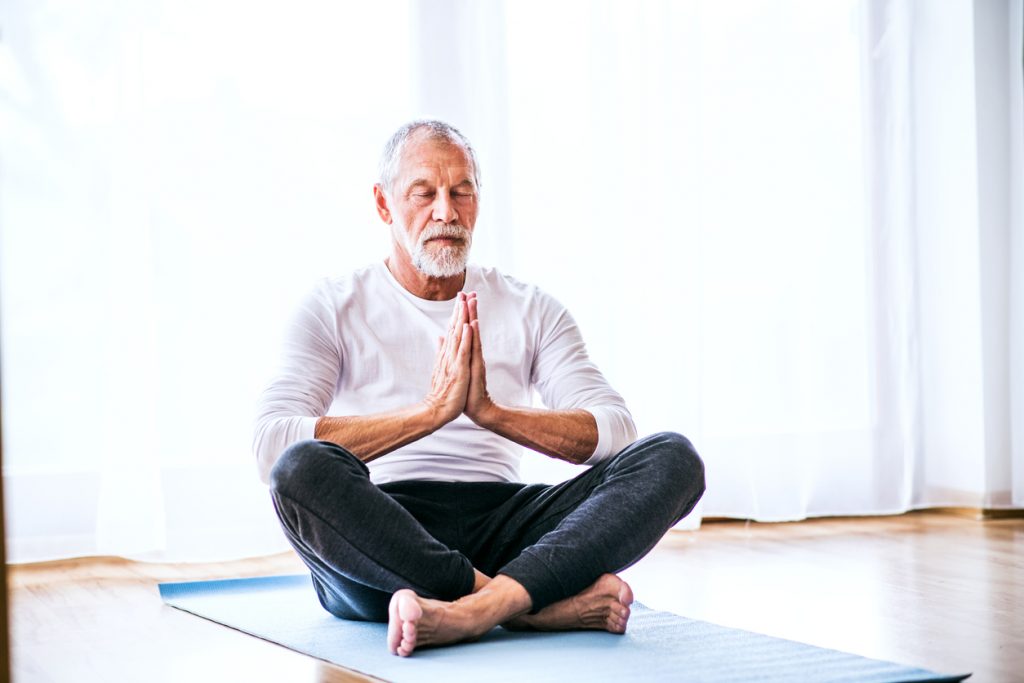
 The Sanskrit word sraddha translates to faith or trust. But encased in this word is a deeper, more illuminating meaning. B.K.S. Iyengar describes sraddha as mental and intellectual firmness, which fosters an innate trust (1). Vyasa, an original commentator on the Yoga Sūtras, interprets sraddha as clarity of mind that sustains us as we move along with our yoga practice. When the mind is clear, truth reveals itself; With untainted vision, we can see the way forward and trust it (2).
 As we work to transform ourselves and better the world around us, it’s normal and necessary to fall down from time to time, whether from the weight of doubt and despair, a wave of humility, or just exhaustion. But within spiritual work like yoga runs a river of grace. Each moment is an opportunity to examine ourselves, to course-correct, to try again, to make real change happen. If we give it the time faith will lead us somewhere special, towards authenticity, deeper empathy and compassion, so we truly become caretakers of each other. If we work to still our minds, truth will arise and reveal the next right steps.