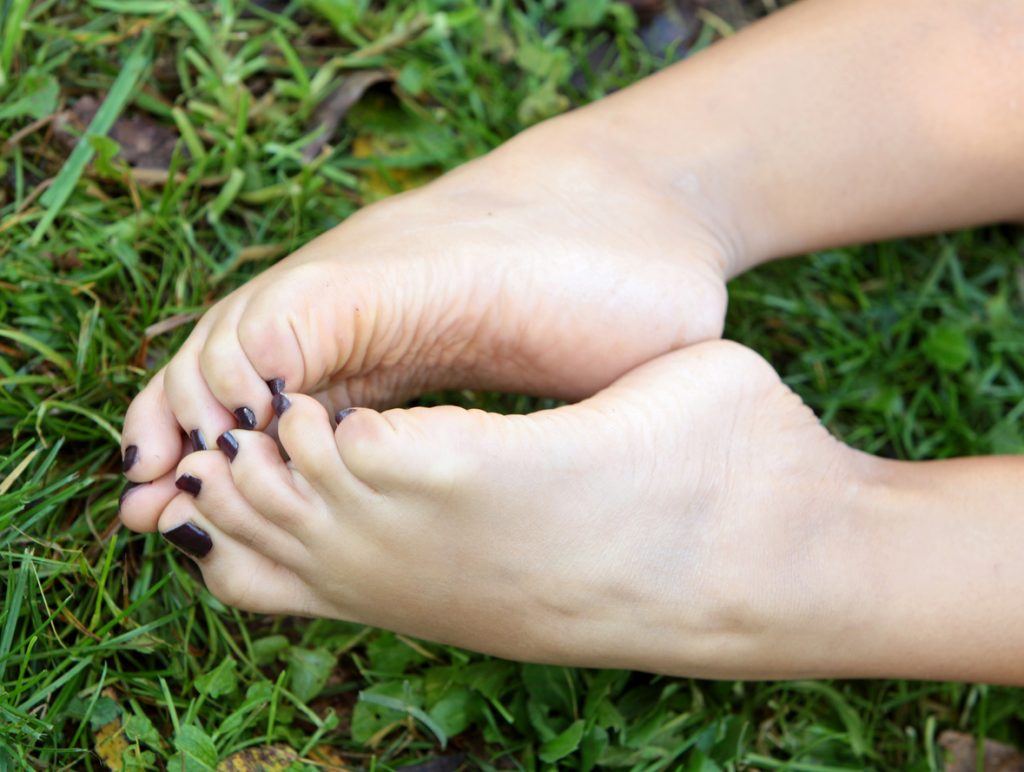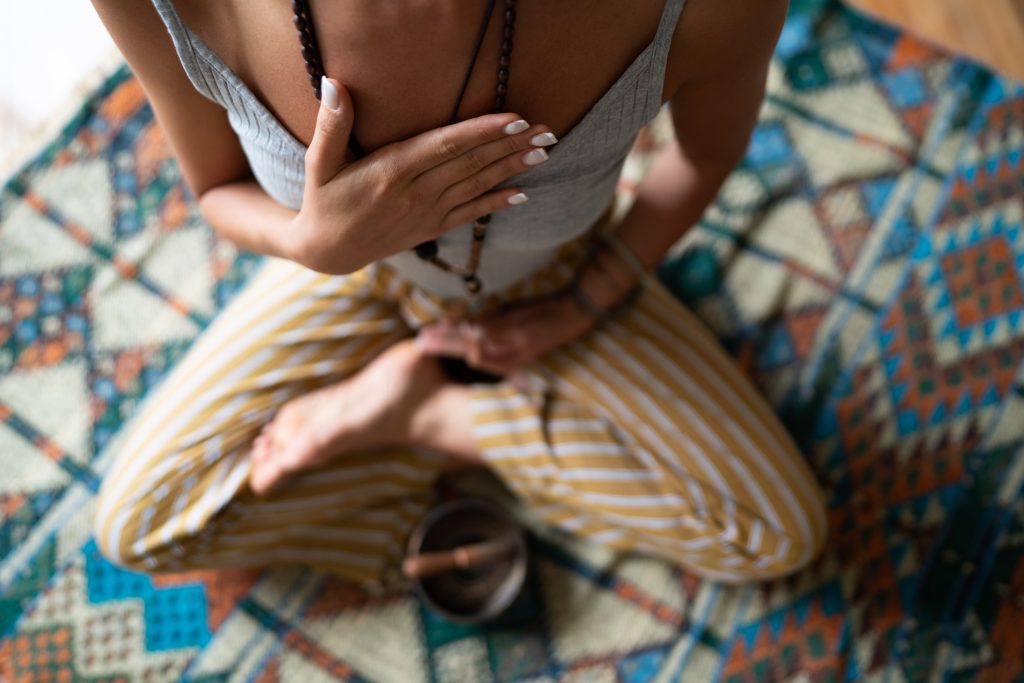
The benefits of mindful breathing stem far beyond helping you hold a challenging yoga pose. The practice of pranayama – the Sanskrit word for yogic breathing exercises – can relieve stress, and reduce anxiety symptoms by allowing you to focus on the flow of your breath. While there are a number of different pranayama breathing techniques used to calm the mind and body, we’ve gathered three of the most commonly practiced and proven methods to help ease your anxious thoughts once and for all.
Simple Breathing Exercise
 Oftentimes, simply breathing is the solution to the symptoms that anxiety sufferers face. The racing thoughts, worries, lack of concentration, among other signs and symptoms, can all be better controlled by utilizing the breath. By paying attention to how you’re breathing, you can understand your breath while reducing any distractions or strains on the body. The best part, these exercises can be done anywhere.
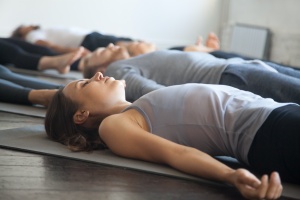
How to: Practice lying on your back in Savasana (Corpse pose) with your arms at your sides. Inhale slowly and deeply imagining the breath filling a particular area of your body before exhaling with your mouth closed. Keep repeating this motion three more times before focusing on the breath layering another part of your body. (Option to begin at your feet, then calves, thighs, hips, bringing attention to each muscle group up your body to the facial muscles). The more you concentrate, you may feel each area of your body becoming slightly warmer.
Abdominal Breathing
Abdominal (belly) breathing exercises enable you to visualize your breath traveling throughout your body, in turn relaxing your muscles and your mind. You can imagine positive feelings and energy filling up your body on the inhale while releasing any opposing thoughts or concerns on the exhale. Also known as diaphragmatic breathing, this type of exercise encourages exchanging oxygen, stimulating the relaxation response through the movement of the diaphragm.
How to: Try sitting in a comfortable seat, taking slow, deep breaths in and out through your nose. You can explore the movement of your breath by placing one hand on your low belly and the other on your heart. Feeling your belly rise with your ribcage expanding on every inhale and your belly relaxing back towards your spine on the exhale, you can continue to focus on the flow of your breath. This conscious movement of your breath elicits your body to relax and allows your mind to focus on your breath rather than other thoughts that may arise.
Alternate Nostril Breathing
 While recommended to practice in preparation for meditation, Alternate Nostril Breathing does wonders for your concentration in just a few rounds. Along with centering your body and mind, it’s an excellent technique for clearing your sinuses and improving your respiratory function. The practice has also been widely successful in reducing blood pressure and improving heart rate in recent studies.
How to: The technique is practiced just as it sounds: by alternating your breath flowing from each nostril one at a time. Begin by placing your right thumb gently on your right nostril and your right pinky and ring finger on your left nostril. Take an exhale, and then inhale fully and completely. Next, use your thumb to block your right nostril and exhale slowly to a count of four out of your left nostril. Then, inhale through your left nostril and switch sides by blocking it and exhaling out of your right. Continue this pattern, switching sides after each inhalation. Notice how your body and mind feel after repeating alternate nostril breaths eight to ten times. If you’re already noticing a difference in how you feel mentally and physically, consider incorporating it into your routine.
Practicing pranayama breathing can be a total game-changer in improving your everyday health, especially if you’re battling anxiety. By following these techniques, you’ll learn how to regulate your breath by alleviating stress, depression, and other symptoms that often accompany anxiety. It gives you command of the flow of your breath, allowing you to control your anxious thoughts. Yes, your breath helps guide you through a challenging yoga pose, but knowing that it has the potential to rid your anxious mind makes your breath that much more valuable.


 Jenifer graduated in April of 2021. In addition to the 200-hour teacher training course, Jenifer has completed the 200-hour Yin training and the 20-hour children’s yoga program. The online, self-paced program works well for her. Her favorite part is being able to look back at all the modules and recorded Zoom calls to reference materials later as she puts together classes. She’s currently teaching locally and online and has a client in France, who found her through social media.
 Jena Radcliffe of Orefield, Pennsylvania in the USA
 Surina Sharma Gambhir graduated from YogaRenew’s 200-hour program in June of 2021. Surina began looking for reputable online schools where she could study for her teacher training certification. She chose YogaRenew, because of the positive ratings from other students. She emailed a few previous graduates to get their feedback on the course and then chose to enroll. Surina loved how easily the course was laid out and that she didn’t have to wait long when she needed help. She really enjoyed the community and the help she received from YogaRenew’s student Facebook group. Through her Instagram, she has connected with yogis all over the world from the YogaRenew program.
 Letting go is a simple phrase, but the instruction isn’t. Even for the most seasoned yoga practitioners, relinquishing control, detaching from sense distractions, and demonstrating faith is a constant, daily practice that can ebb and flow between graceful diligence and downright frustration. The following paragraphs offer another perspective of letting go, plus suggestions for teaching this topic in a yoga class.
 LettingSo how does this all translate to an āsana practice? Yogic postures are tools for shifting our awareness from the actions of our bodies to the energetic levels of our souls. The reason why the postures should be steady (sthira) and comfortable (sukha) is so we can maintain them for meditation5. It all comes back to quieting our minds. In order to turn our attention within, we need to bring our minds under control so we can untangle ourselves from material lures.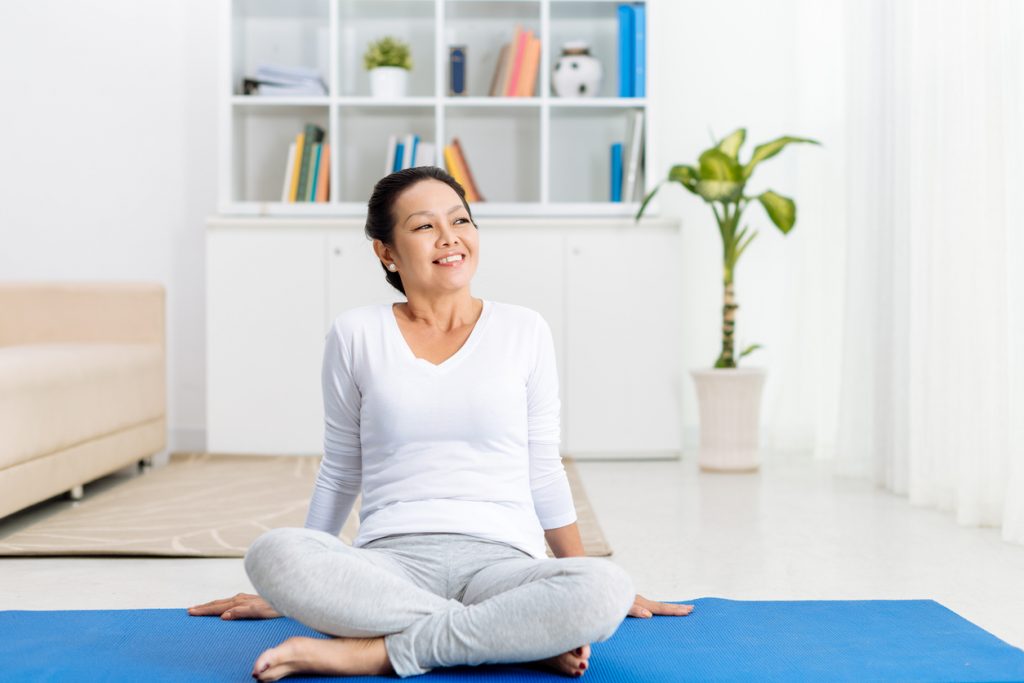
 I’ve been there, too. When we have too much to pay attention to, it’s challenging to focus and establish better rhythms for ourselves. Sometimes too many unexpected changes happen all at once and it’s tough to scale back. But very often we can find some balance by managing our thoughts and changing our perspectives. The Yoga Sūtras offer practical teachings for
 The Sanskrit word sraddha translates to faith or trust. But encased in this word is a deeper, more illuminating meaning. B.K.S. Iyengar describes sraddha as mental and intellectual firmness, which fosters an innate trust (1). Vyasa, an original commentator on the Yoga Sūtras, interprets sraddha as clarity of mind that sustains us as we move along with our yoga practice. When the mind is clear, truth reveals itself; With untainted vision, we can see the way forward and trust it (2).
 As we work to transform ourselves and better the world around us, it’s normal and necessary to fall down from time to time, whether from the weight of doubt and despair, a wave of humility, or just exhaustion. But within spiritual work like yoga runs a river of grace. Each moment is an opportunity to examine ourselves, to course-correct, to try again, to make real change happen. If we give it the time faith will lead us somewhere special, towards authenticity, deeper empathy and compassion, so we truly become caretakers of each other. If we work to still our minds, truth will arise and reveal the next right steps.



 Woman do yoga Downward Facing Dog pose inside of light cozy room through window seen green foliage trees summer landscape morning sun, adho mukha svanasana stronger hands strengthening back exercise[/caption]These postures are also foundational to a more comprehensive āsana practice and worth the extra attention. Practice them often to help counteract the toll sitting takes on your body. And remember to breathe deeply in each shape.
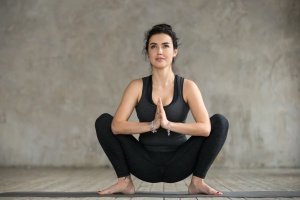 This wide-legged, deep squat stretches the lower back and strengthens the legs. This āsana also opens the hips and exercises the muscles of the ankles and feet. It’s all together a very helpful pose for soothing tension in the lower back and improving posture, which can get thrown off from long hours of desk work.