The majority of us are at home practicing social distancing, while others are still going to work to the essential jobs that support us during this global pandemic. Regardless of which end of the spectrum you are on, taking good care of yourself seems more vital now than ever. Most of the time our immune systems do a good job of fighting off illnesses, however sometimes it isn’t able to for various reasons, and we get sick. There are many factors that can determine immune health. Genetics, lifestyle, exercise, sleep, diet, mental health, etc. are all said to play a role in overall health and immunity.
Ways To Holistically Improve Your Health
Looking at our body and mind as an overall whole can contribute to an immune system that elicits a healthy and strong response to attacks. Yoga and Holistic practices offer beneficial tips as well.
Nutrition
Good nutrition may perhaps be one of the most important factors in maintaining body health, as well as mental health. Our body needs proper macro and micronutrients, antioxidants, protein, carbohydrates, fats, minerals, vitamins, fat, and water to function, stay healthy, and provide defense for disease and environmental factors. Rather than letting this be a source of stress or overwhelm, it can be helpful to have guidelines, and simply start to notice the foods you are purchasing more closely. Organic meats processed without hormones or antibiotics if you are not vegan, minimally processed foods, lots of fruits and vegetables, olive oil, switching from processed sugar to dates, honey, maple syrup or coconut sugar, micronutrient rich herbal foods such as spirulina, turmeric, and wheat grass, and lots of water are a few suggestions. All of which are beneficial aides in maintaining body health, but also mental health.
More research has been done the past decade regarding the connection between a healthy gut, or GI System, and healthy mind. In fact, studies have been done that link chronic anxiety to an unhealthy gut or imbalanced gut bacteria. Yogis have told us for thousands of years that every part of us is connected. It’s in the word itself, “yoga” means to yoke, or to bring together. Modern day science is confirming what the ancient yogis have known all along, that our body and its systems are interconnected.
In order to maintain a healthy gut, probiotics and fiber-rich foods can bring balance. Examples are yogurt, kefir, kombucha, sauerkraut, bone broth, and kimchi. If you are vegan you can usually find options in these categories. Just be mindful of sneaky extra ingredients such as processed sugars or preservatives.
Holistic Allies
In addition to healthy food nutrition, herbal remedies have the potential to assist in relieving certain ailments, boost immunity, and have a myriad of medicinal properties. For example, Lemon Balm has the potential to calm the nervous system, relieve occasional indigestion, and promote a sense of calm that relieves anxiety. Garlic and echinacea root are known as immune stimulants. A potent oil, oil of oregano, has been shown to have antiviral, antimicrobial, and antifungal properties, in addition to other powerful properties. Also, mushroom powders such as reishi, astragalus, and turkey tail are thought to help regulate the immune system. Another ancient medicinal herb is ashwagandha, it is known as an adaptogenic herb that can help relieve stress or provide energy, depending on what your body needs. If you feel the early onset of something coming on, try making a tonic such as hot water, fresh lemon, fresh ginger, and 1-2 tablespoon(s) of apple cider vinegar with honey and 2-4 drops of oil of oregano. Be mindful as oil of oregano is very strong and can burn or cause upset stomach. Remember to speak to your health professional before ingesting herbs as they are often not regulated.
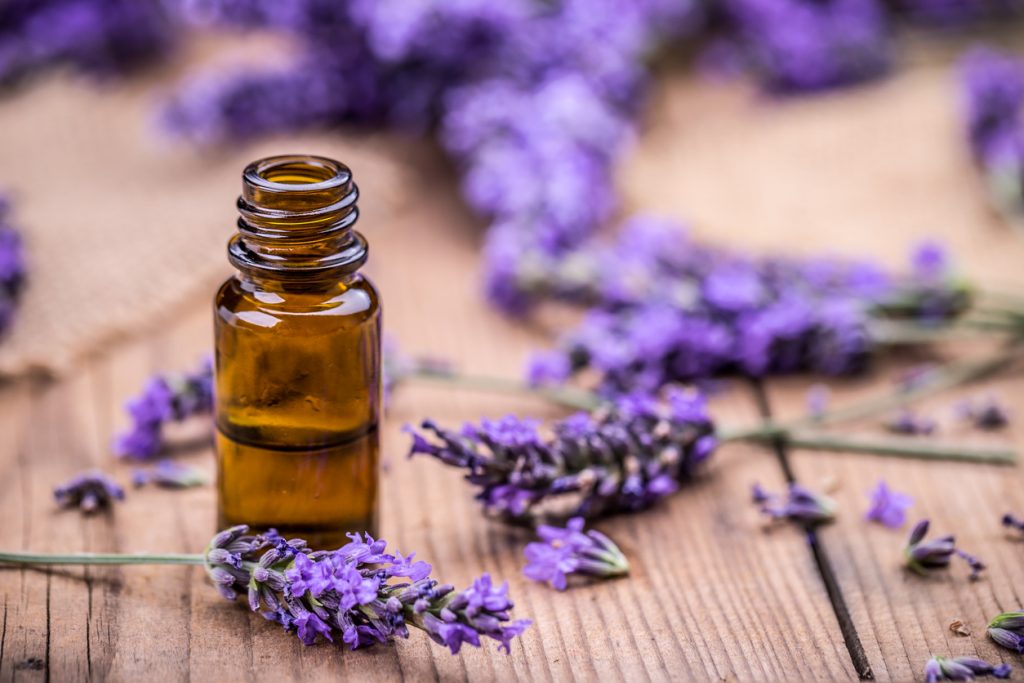
Therapeutic grade essential oils are said to have a myriad of healing properties as well. Lavender, lemon, eucalyptus, rosemary, and tea tree are potent oils and can aide in overall health and immunity. Be aware that not all essential oil brands are created equal. Some are meant only for diffusing, and some can be used topically with a carrier oil, or some even minimally ingested. Without proper knowledge these healing oils can quickly become detrimental. Do your research before purchasing an oil and speak with a health professional before use. The term therapeutic grade on the bottle isn’t enough to ensure quality, check for the company’s test results such as GC/MS, and verify there are no fillers or additives in the oil. That being said, with proper knowledge, essential oils can be a powerful tool to maintain health and wellness with antiviral and antibacterial properties, among others.
Overall
Yoga and holistic practices remind us to look at ourselves as one whole. To take into consideration our nutrition, herbal remedies, adequate exercise, good sleep, balancing practices such as breathing techniques, meditation, and mantras, in order to achieve overall health and wellness. It’s not just our body that keeps us healthy, it is our emotions, thoughts, mind and spirit. During this time of quarantine, it can be a great time to integrate more healthy and holistic practices into your daily routine if you are able to. I know not everyone is able to do this, and many are struggling greatly right now, but if you are able to, one of the best things we can do is take care of ourselves, so that we may better be able to take care of others in our community. Have patience with yourself along the way.
Note: The above information is simply to serve as alternative knowledge, and thus should not be taken as medical prescription or advise. Please consult with a physician before taking any herbs or changing diet as there can be adverse side effects with certain medications, and certain conditions should be taken into consideration.

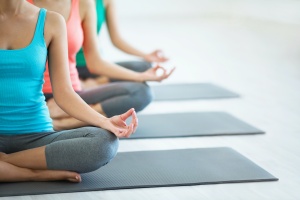
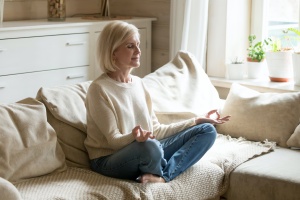
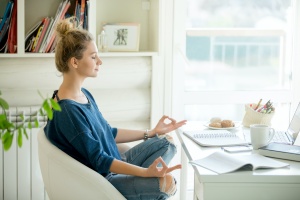 Most commonly today in modern Western society, meditation is the term used to describe the technique of training your mind to be calm, similar to how you go to the gym to train your body to be strong and flexible. Meditation refers to a practice that brings the practitioner into a state of consciousness, connectedness, and profound awareness. Usually attained by sitting still, focusing on breathing, and clearing of erroneous thoughts. It is often described as the journey into stillness, silence, and space. Meditation teaches us to look within ourselves, which ultimately deepens the connection we have to ourselves, and the entirety of life and existence.
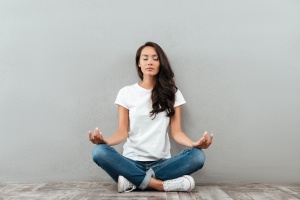 Time spent in silence and stillness, connecting to one’s own inner experience is often pushed further down on the To-Do list in the life of a busy, modern person. As the old Zen saying goes, “You should sit in meditation for 20 minutes a day, unless you’re too busy; then you should sit for an hour.” While not everyone has a full hour to practice meditation, starting small with a realistic goal is beneficial. A three or five-minute meditation can increase a state of calm and peace amidst a world that never sleeps.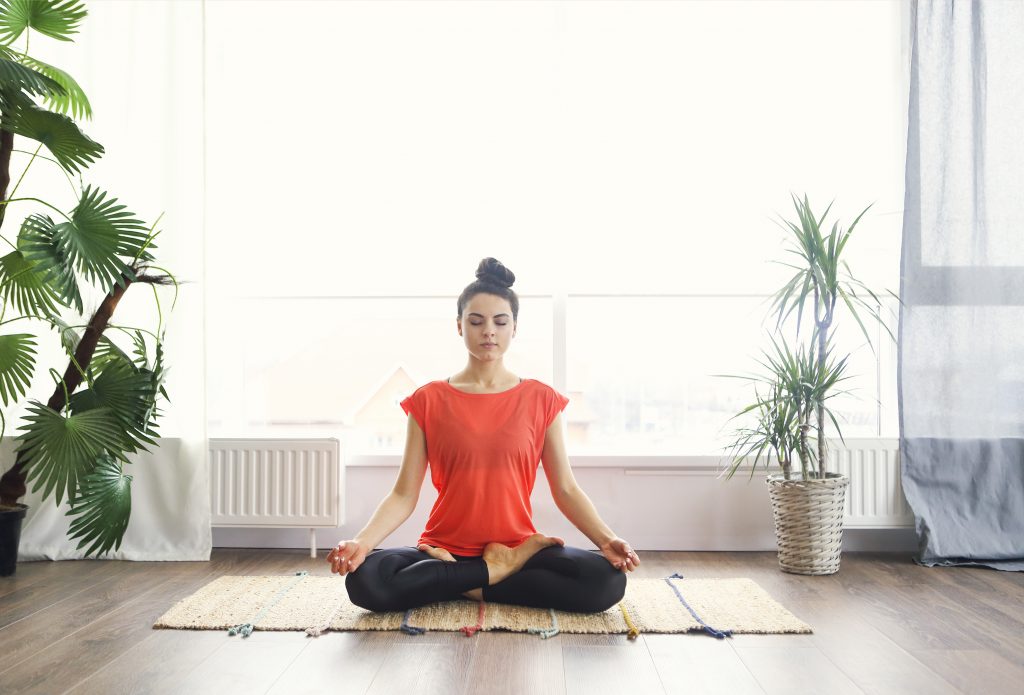
 Yoga has been widely recognized as a way to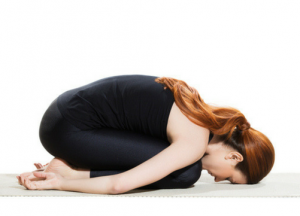
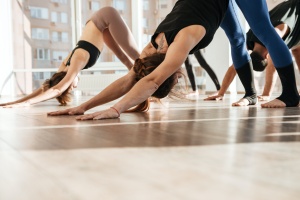
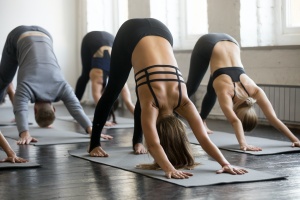
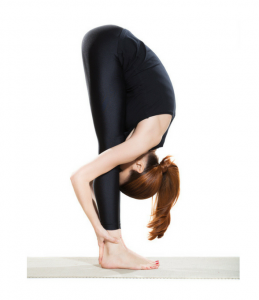 Dropping the head below the heart has a calming effect on the mind and body. In a standing forward fold, the body can quickly relax and get a stretch of the entire back line: from the hamstrings all the way up to the back of the neck. The pose may also help ease headaches and chronic fatigue.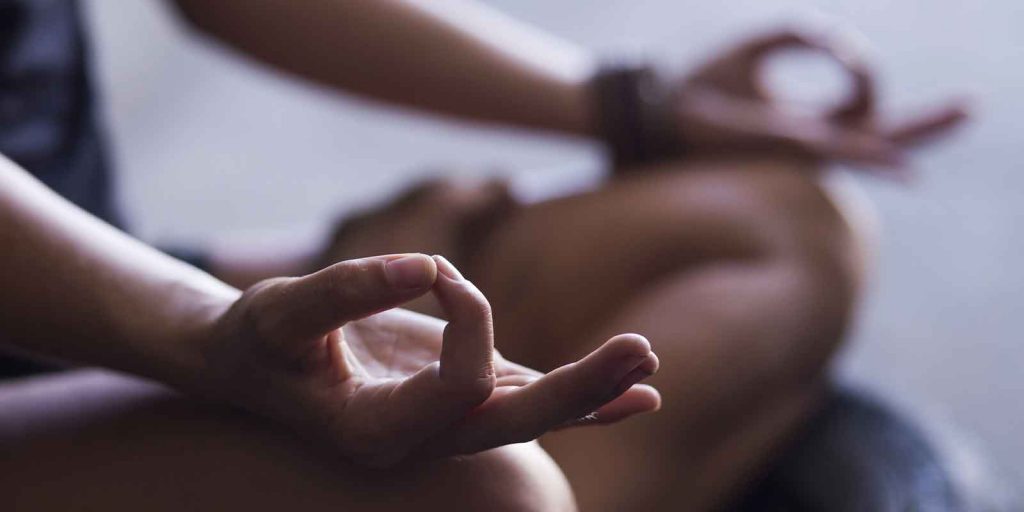
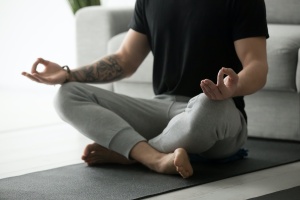 Begin by sitting on the mat with a straight back and your legs extended in front of you. Feel free to sit on a folded blanket or a bolster for additional support. As you inhale, reach your arms up towards the sky and with a deep exhale, fold your body from your hips as you attempt to reach your knees, feet, or even toes. A key thing to remember is that the goal is not to force your fingertips to your toes; instead, focus on bringing your chest to your thighs, nose to your knees, and forehead to your legs during this stretch. With every exhale, allow tension to be released from your body and surrender even further in this asana. Some benefits of
 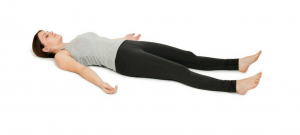 Let’s end this sequence with a mindful asana to eliminate any meaningless thoughts and ground yourself. Keep your legs extended in front of you on the mat with your arms resting by your sides with your palms facing up. Make sure that your back is straight and there is no arch in your lower back as you lie flat on the mat. Close your eyes and feel your body sink as it becomes heavier with every breath. Corpse Pose is a favorite asana for many people due to its restorative nature. Corpse Pose is a pose of total relaxation which requires remaining in a neutral position, often a challenging task. The purpose of corpse pose is to consciously calm the mind which in turn, calms the nervous system and lowers blood pressure resulting in a state of ultimate serenity. The duration of this asana depends on your preference, however 10-20 minutes are recommended.
 Savasana integrates asana and
  Creating a calming environment during the cool down portion of your class will subconsciously prepare your students for savasana. Dim the lights if possible, or turn them off completely. Slowly lower the volume of your regular music until it is mute prior to beginning your breath exercises. Similarly, begin to soften your instructional voice and slow your cadence as you bring your students into their final postures. I find that using the same words to guide my students to the floor, class after class, signals a state of relaxation, with each instruction slower and quieter than the last. Encourage your students to lie down quietly with minimal movement. Instruct them, practice after practice, to relax, to be still, and to let go. Finally, play a rhythmic selection of music especially reserved for savasana, ideally, without words that the mind can grab ahold of.
 This calls to attention the
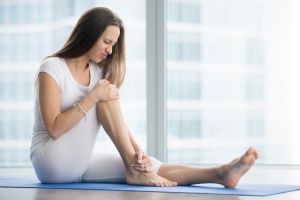
  Tight hips or preexisting yoga injuries can cause knee pain or discomfort around the knee. The common instructions to maintain proper alignment in poses that involve bending the knees are to track the kneecaps over the second middle toe, but that is something that can vary from person to person, depending on their circumstances and goals of their practice.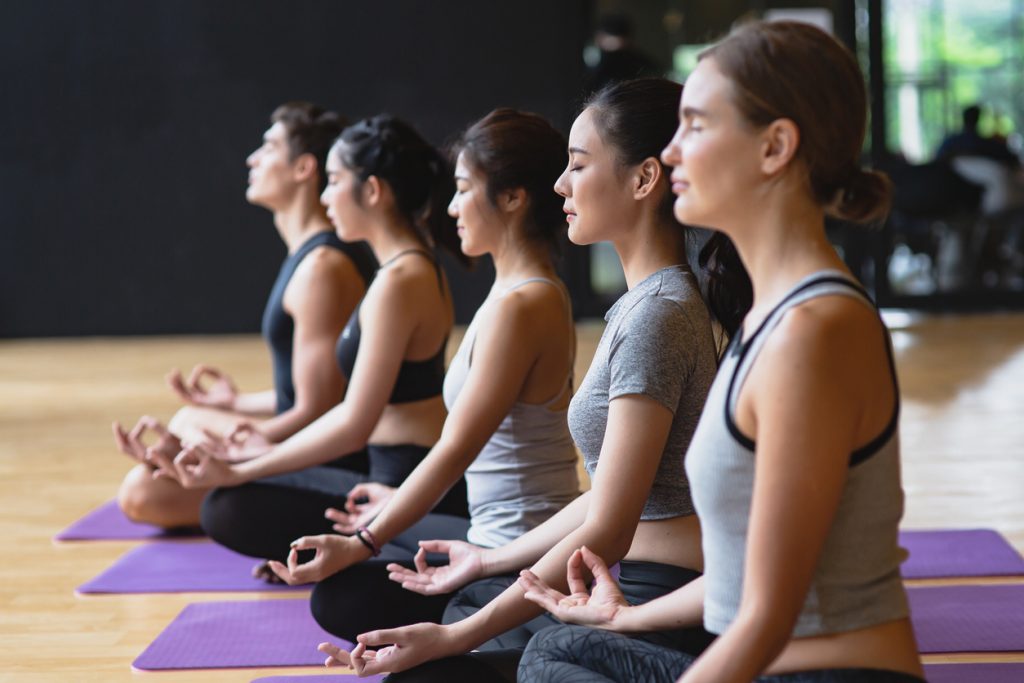
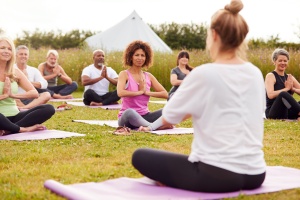
 Sh!t happens: traffic, family issues, deadlines at work, a missed morning alarm clock… While the reasons may vary, tardiness is an occurrence that you can prepare for. Studio protocol varies. Some studios lock the door 15 minutes after class has begun. Some, like group exercise classes at a health club, have an open door policy. Once a late student has entered the asana room, it is the responsibility of the teacher to include them into the practice as smoothly as possible.
 Some attention seeking behaviors present themselves easily. There is the student who talks during class, either to you, or to other students. To respond to this student encourages on-going dialogue. To allow for conversation among your students during class is a distraction to others. In response, you can offer the direction of “